Heat Pump vs. Furnace: Which Is Right for Your Home?
This post contains affiliate links. As an Amazon Associate, I earn from qualifying purchases at no extra cost to you.
If you are replacing a heating system or building a new home, the choice between a heat pump and a gas furnace is one of the most consequential decisions you will make for long-term comfort and energy costs. Both technologies work well, but they have meaningfully different characteristics that make each the better choice in different situations.
How Each Technology Works
A gas furnace burns natural gas or propane to generate heat. A heat exchanger transfers that heat to air, which the blower distributes through the duct system. Modern high-efficiency furnaces convert 95 to 98 percent of the fuel they burn into usable heat. They produce genuinely warm air, typically 110 to 140 degrees Fahrenheit at the supply registers.
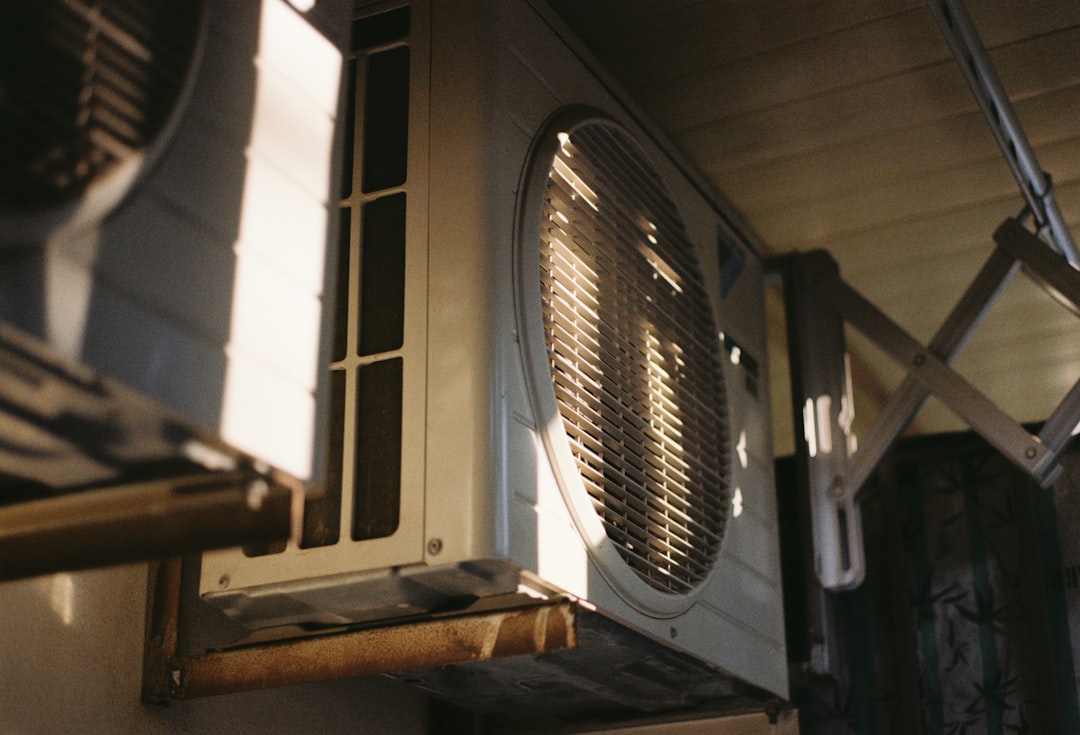
A heat pump does not generate heat. Instead, it moves heat using refrigerant, the same process your air conditioner uses but in reverse. In heating mode, a heat pump extracts heat energy from outdoor air (even cold outdoor air contains usable heat energy) and transfers it indoors. In cooling mode, it works exactly like a central air conditioner, moving heat from inside to outside. The supply air from a heat pump in heating mode is typically 90 to 100 degrees Fahrenheit, which is warm but noticeably cooler than furnace output.
Efficiency: Where Heat Pumps Win
The efficiency advantage of a heat pump is substantial. A gas furnace converts fuel to heat at a ratio of less than 1:1 (even a 98% AFUE furnace delivers 0.98 units of heat per unit of fuel burned). A heat pump moves 2 to 4 units of heat for every 1 unit of electricity it consumes, measured as the coefficient of performance (COP). This is because moving heat is fundamentally more efficient than generating it.
In mild to moderate climates where temperatures rarely drop below 20 to 25 degrees Fahrenheit, a heat pump is almost always the more efficient choice. The economics depend on your local electricity and gas rates, but in many regions the efficiency advantage of the heat pump overcomes the higher cost per BTU of electricity compared to gas.
Where Furnaces Are Stronger
As outdoor temperatures drop, the efficiency of a standard heat pump declines. Below about 35 degrees Fahrenheit, a conventional heat pump loses efficiency and may struggle to keep up with heating demand in extreme cold. This has historically been the key limitation.
Cold-climate heat pumps, sometimes called low-ambient or hyper heat models from brands like Mitsubishi, Daikin, and Bosch, have substantially addressed this limitation. Modern cold-climate heat pumps maintain good efficiency down to 0 degrees Fahrenheit and can produce some heat at temperatures as low as -13 to -22 degrees Fahrenheit. If you are in a genuinely cold climate, look specifically at cold-climate rated models rather than standard heat pumps.
Gas furnaces also heat the air faster and deliver warmer supply air, which some occupants prefer, particularly in climates with rapid temperature swings.
The Dual-Fuel Option
Many homeowners in cold climates use a dual-fuel system: a heat pump handles heating efficiently during mild weather, and a gas furnace takes over when temperatures drop below a set balance point (typically 35 to 40 degrees). This approach captures the efficiency advantage of the heat pump for the majority of the heating season while using the furnace’s higher output capacity for the coldest days. It is a practical compromise that works well in climates with a mix of mild and severe winter weather.
The U.S. Department of Energy’s heat pump buying guide includes climate-zone specific efficiency data and sizing guidance.
Cost Considerations
Heat pump equipment typically costs more to purchase and install than a comparable gas furnace. However, heat pumps eliminate the need for a separate air conditioning system, since they provide both heating and cooling. When you account for the cost of both a furnace and a central AC unit versus a single heat pump, the installed cost comparison shifts considerably.
Federal tax credits and state incentives available in the United States have also made heat pump upgrades more financially attractive for many homeowners. Research what programs are available in your area before making a final decision.
Related Reading
Whichever system you have, thermostat programming makes a significant difference. Read our How to Replace a Thermostat guide for a smart thermostat upgrade walkthrough.
Recommended Products
Here are a few products to help with what we covered in this guide: