Furnace Not Igniting: Common Causes and Fixes
If you wake up to a cold house and your furnace is running but producing no heat, or it is not starting at all, the ignition system is usually the first place to look. This is one of the most common furnace problems homeowners encounter, and in many cases it is something you can diagnose and fix yourself without an expensive service call.
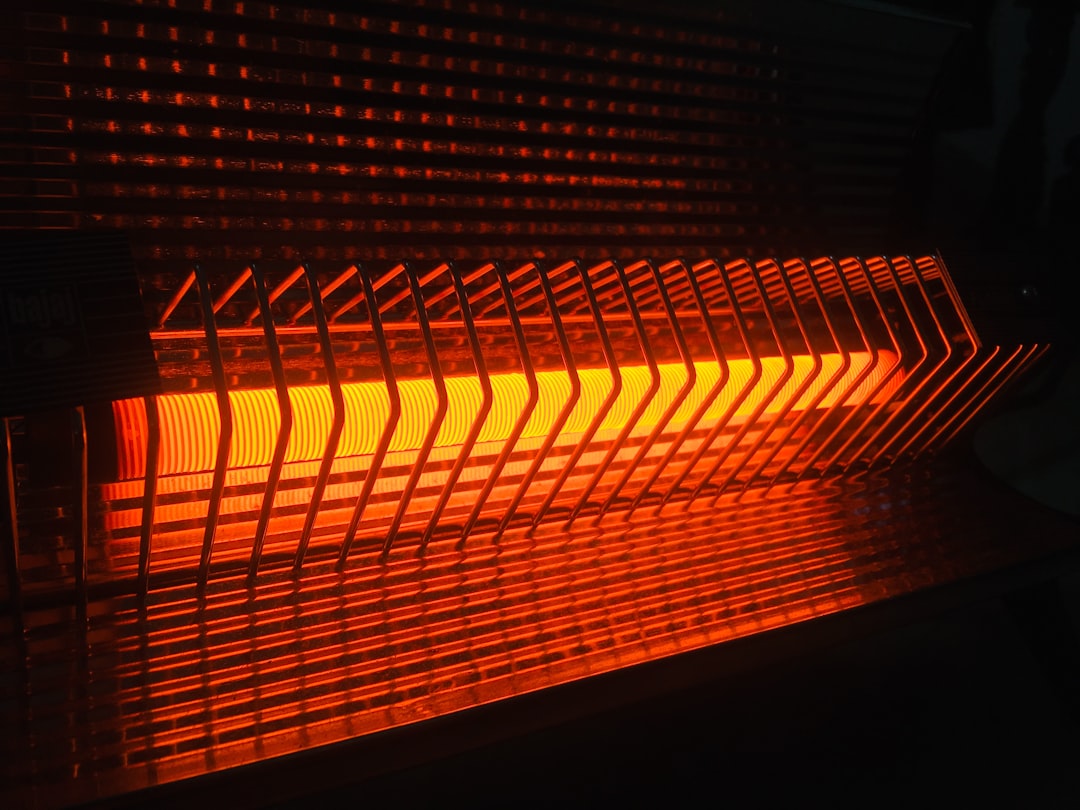
Photo by Achudh Krishna on Unsplash
Safety warning: Before touching anything on a gas furnace, confirm your carbon monoxide detector is working and has fresh batteries. If the furnace has been failing to ignite repeatedly, unburned gas may have accumulated near the unit. If you smell gas at any point, do not flip any switches. Leave the house immediately, leave the door open, and call your gas company from outside. A functioning CO detector is non-negotiable in any home with gas appliances.
How Furnace Ignition Works
Most furnaces built after the mid-1990s use one of two ignition systems: a hot surface igniter (HSI) or an intermittent pilot (spark ignition). Older systems used a continuously burning standing pilot light. With a hot surface igniter, a ceramic element heats to roughly 1,800 degrees Fahrenheit and ignites the gas as it flows across the burners. With a spark system, an electrical spark does the same job - similar to a gas range.
After ignition, a flame sensor rod sits inside the burner flame and confirms that ignition actually occurred. If the furnace does not detect a valid flame within a few seconds, it shuts off the gas valve as a safety measure. This is why furnaces often attempt to ignite, fire briefly, and then shut down - it is the control board acting on a signal from the flame sensor.
Understanding this sequence helps you narrow down what is actually failing before you replace any parts.
Common Causes of Furnace Ignition Failure
Dirty or Failed Flame Sensor
In our experience, a dirty flame sensor is the most frequent cause of “furnace starts then shuts off after a few seconds.” A thin layer of oxidation builds up on the sensor rod over time and prevents it from conducting the small microamp signal that confirms a flame is present.
The fix is straightforward: turn off power to the furnace at the breaker, locate the sensor (a single metal rod extending into the burner area, connected by one wire and held by one screw), remove it, and gently polish the rod with a light emery cloth. Reinstall, restore power, and test. If the furnace now stays on, you found your problem. If cleaning does not help, the sensor may need replacement.
Failed Hot Surface Igniter
Silicon carbide igniters are fragile and typically last 4 to 7 years. When functioning, the igniter glows bright orange during the startup sequence. If you watch through the sight glass and see no glow, or if the igniter is visibly cracked, it needs replacement.
Never handle a ceramic igniter with bare hands - oils from skin create hot spots that shorten its life. A universal hot surface furnace igniter fits most residential gas furnaces; always verify the replacement wattage against your furnace’s data plate before ordering.
No Gas Supply
Before assuming the igniter or sensor is at fault, confirm gas is reaching the furnace. Check that the manual shutoff valve on the supply line is open (handle parallel to the pipe), verify other gas appliances in the home are working, and confirm your gas account is active. If only the furnace is affected and everything else has gas, the furnace’s internal gas valve may have failed - this requires professional replacement.
Pressure Switch or Inducer Motor Issues
Modern furnaces use a draft inducer motor to pull combustion gases out before the burners fire. A pressure switch verifies the inducer is running correctly. If the inducer motor fails or the rubber pressure switch hose becomes cracked or blocked, the furnace locks out on a safety fault. We have traced this fault on multiple units by reading the blinking LED error code on the control board - look up your model’s blink code sequence in the service manual before replacing parts.
You can inspect the small rubber pressure switch hose yourself without special tools; cracks and blockages are visible on inspection. A failed inducer motor that hums but does not spin typically needs replacement.
Tripped High Limit Switch
The high limit switch cuts the burners if the furnace overheats, which can happen when airflow is restricted by a clogged filter. If your furnace runs briefly and shuts down, or throws an overheat fault code, check the air filter first. See our guide on what a furnace tune-up includes for a full inspection checklist to work through before cold weather arrives.
If the filter is clean and the limit switch is still tripping, the switch itself may have failed and will need replacement.
Control Board or Wiring Fault
If you have checked the above and the furnace still will not ignite, the control board may be the issue. Boards can fail due to age, power surges, or insect damage. Look for burn marks, corrosion, or swollen capacitors. Control board replacement is an advanced DIY repair and is expensive - get a confirmed diagnosis from a technician before purchasing one.
Diagnosing with a Multimeter
A basic digital multimeter is the most useful diagnostic tool for furnace troubleshooting. You can use it to test igniter continuity (a working silicon carbide igniter typically reads 40 to 200 ohms), check for 24V at the gas valve terminals during a call for heat, and confirm the flame sensor is producing a microamp signal.
The Klein Tools MM400 auto-ranging multimeter handles all of these tests and is a good investment for any homeowner who wants to diagnose HVAC and electrical issues themselves. Pair it with your furnace’s service manual (usually available as a PDF from the manufacturer) and the control board’s error code chart, and you can usually identify the fault without guessing.
When to Stop and Call a Pro
Stop DIY troubleshooting and call a licensed HVAC technician if you smell gas at any point, find burned wiring or corrosion on the control board, cannot identify the fault after working through the checklist above, or have a furnace that is over 15 to 20 years old and failing repeatedly. Repeated ignition failures in an older furnace can indicate a cracked heat exchanger, which allows carbon monoxide into living spaces - a technician can inspect this with proper tools.
For related furnace troubleshooting, our guide on why your furnace short cycles covers the situations where a furnace fires in brief repeated bursts without delivering heat.
The U.S. Department of Energy’s home heating guide is also a useful reference for understanding how gas furnace systems work at a system level.
Recommended Products
- Supplying Demand Universal Hot Surface Furnace Igniter - Fits most residential gas furnaces. Verify replacement wattage against your unit’s data plate before ordering.
- Klein Tools MM400 Auto-Ranging Multimeter - Reliable diagnostic tool for testing igniters, flame sensors, and gas valve voltage.
- Kidde Carbon Monoxide Detector with Digital Display - Required safety equipment in any home with gas appliances. Replace the unit every 5 to 7 years regardless of battery status.
As an Amazon Associate we earn from qualifying purchases at no extra cost to you.
Bookmark this guide and check out our furnace tune-up checklist next - catching small issues before they become ignition failures is almost always cheaper than an emergency service call.