How to Seal Duct Leaks Yourself
Most homeowners assume their HVAC system is either working or it isn’t. What they miss is the quiet drain in between: leaky ductwork. The U.S. Department of Energy estimates that the average home loses 20-30% of conditioned air through duct leaks before it ever reaches a room. That means your furnace or AC is working roughly a third harder than it needs to - and you’re paying for it every month.
The good news is that sealing duct leaks is one of the more accessible DIY projects in home HVAC maintenance. You don’t need special certifications, and the materials are inexpensive. What you do need is patience, the right products, and a realistic sense of which repairs you can handle and which ones call for a professional.
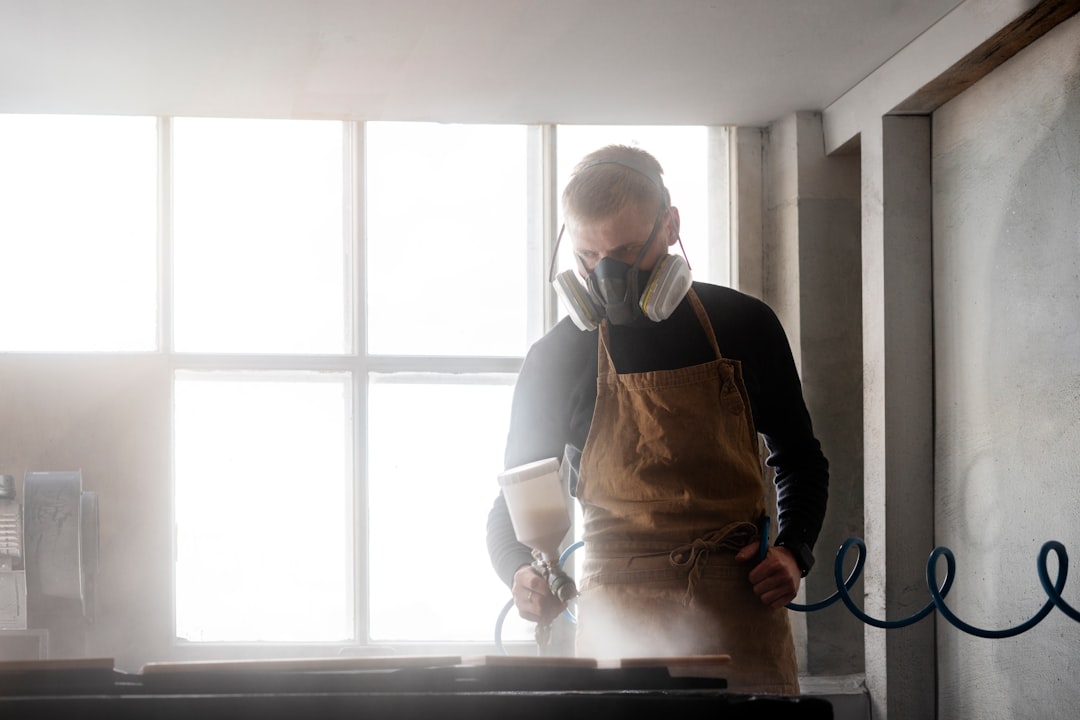
Photo by Healthy Duct Cleaning on Unsplash
Safety note: Duct sealing in attics and crawl spaces carries its own hazards. Wear a dust mask rated N95 or better, knee pads, and eye protection. Watch out for insulation that may contain fiberglass. If your home was built before 1980 and your ducts are wrapped in a gray, fibrous material, do not disturb it - have it tested for asbestos before doing any work near it. If your ducts run through a mechanical room near a gas furnace or water heater, make sure the area is well-ventilated and confirm there are no gas leaks before you start (a functioning CO detector nearby is the minimum). When in doubt, or if you find anything that looks like damaged gas connections, stop and call an HVAC technician.
How to Tell If Your Ducts Are Actually Leaking
Before you buy anything or crawl into the attic, confirm you have a problem worth fixing. The most common signs include rooms that are noticeably hotter or colder than the rest of the house, higher-than-expected energy bills, and visible dust buildup around supply registers. If you’re not sure, see our guide on signs your ductwork needs sealing for a full walkthrough of the diagnostic process.
For a rough DIY check, turn the system on at full blast and run your hand along any accessible duct sections - along seams, at joints, and where ducts connect to the air handler or plenum. You should feel no airflow escaping. If you do, that’s a verified leak.
A more precise test is to use a thin piece of toilet paper or a smoke pencil near duct seams. If the paper moves or the smoke deflects, air is escaping. This works best in areas with good access, like an unfinished basement or attic.
What You’ll Need Before You Start
Gather your materials before entering a crawl space or attic. Going back and forth wastes time and energy.
Materials
Mastic sealant is the professional standard for duct sealing. It’s a thick, paste-like compound that you brush onto joints and seams. It stays flexible after curing, so it handles the thermal expansion and contraction that ducts go through every day. This is the correct material for most sealing jobs.
HVAC foil tape (also called metal tape or aluminum foil tape) is the right choice for sealing tears or gaps in flexible duct sections and for reinforcing mastic on larger gaps. Do not confuse this with standard duct tape - the gray fabric kind. Standard duct tape fails within a few years from heat cycling. HVAC foil tape and mastic are designed to last decades.
Fiberglass mesh tape is useful for bridging gaps larger than about 1/4 inch before applying mastic. Apply the mesh first, then coat it with mastic.
Tools
- Old paintbrush or chip brush (2 to 3 inches wide) for applying mastic
- Utility knife
- Flashlight or headlamp
- Knee pads and work gloves
- N95 dust mask
- Drop cloth for working under the air handler
Mastic Sealant vs. HVAC Foil Tape: Which to Use
In our experience, the answer is usually mastic first, foil tape second.
Use mastic when:
- Sealing joints between rigid sheet metal duct sections
- Sealing the connection points at the air handler, plenum, and register boots
- Bridging gaps up to about half an inch (with mesh reinforcement)
Use foil tape when:
- Sealing a tear or hole in flexible (flex) duct
- Covering a seam that mastic can’t reach easily
- Wrapping a joint after mastic has been applied for extra security
A common mistake homeowners make is relying entirely on foil tape because it’s easier to apply. Tape works, but it doesn’t conform to irregular surfaces the way mastic does. On a duct joint with any irregularity, tape can bridge the gap without making full contact - leaving small paths for air to escape. Mastic fills those gaps completely.
How to Apply Mastic Sealant
The process is straightforward but messy. Wear clothes you don’t mind ruining.
Step 1: Clean the surface
Mastic sticks best to clean metal. Wipe down the joint area with a dry rag to remove loose dust and debris. You don’t need a perfect surface, but removing heavy buildup helps.
Step 2: Apply the mastic with a brush
Scoop mastic onto your brush and apply a thick, even coat over the entire joint - including about an inch on each side of the seam. Don’t be stingy. Thin application leads to cracking. You want a coat roughly as thick as a layer of caulk or slightly thicker.
Step 3: Embed mesh tape on larger gaps
If the gap at a joint is visible or you can feel movement when the system runs, press fiberglass mesh tape into the wet mastic before it dries. Then apply a second coat of mastic over the mesh to encapsulate it.
Step 4: Let it cure
Mastic takes 24 hours to fully cure. During that time, try to keep the HVAC system running at normal cycles rather than extended blasts - sudden temperature swings can cause mastic to crack before it sets.
How to Apply HVAC Foil Tape
Cut a piece of tape slightly longer than the seam or tear you’re covering. Peel the backing, press one end firmly in place, and smooth the tape across the surface using your thumb or a roller. Press firmly into any corners or edges. Foil tape bonds best when the surface temperature is above 40°F.
On flex duct, pull the duct straight before taping - loose folds trap air gaps and reduce tape adhesion.
Where to Focus Your Sealing Effort
Not all duct leaks are equal. These are the highest-priority locations:
Air handler connections - Where the main duct meets the furnace or air handler cabinet is often the biggest single leak point. This joint sees the highest pressure in the system and is frequently left unsealed in original construction.
Plenum connections - The plenum (the main distribution box) typically has multiple branch ducts connecting to it. Each connection is a potential leak point.
Register boots - The metal boxes that terminate at floor, wall, or ceiling registers often have gaps between the boot and the drywall or subfloor. These are easy to seal with mastic or a bead of caulk.
Duct joints in unconditioned spaces - Any joint running through an attic, crawl space, or garage is a priority. Air escaping in these spaces is entirely lost - it doesn’t even heat or cool the room it passes through.
When to Call an HVAC Professional
DIY duct sealing works well for accessible, visible duct runs. There are situations where professional help is the right call:
- Your ducts are in a crawl space you can’t safely access
- You find large sections of collapsed or disconnected flex duct
- The ducts are wrapped in a material you can’t identify (possible asbestos)
- Your system was recently serviced but airflow still feels weak - this may be a duct sizing or design problem, not just leaks
- You notice any smell of gas or combustion products near the ducts
For a full breakdown of HVAC tasks that belong in the DIY column versus the pro column, see our HVAC annual maintenance checklist.
Does Duct Sealing Actually Make a Difference?
In our experience sealing ducts in a 1970s ranch home with a poorly connected basement duct run, the difference was noticeable within the first billing cycle. The far bedroom - which had been consistently 5-6 degrees cooler in winter - evened out to within one degree of the rest of the house. Total material cost was under $40 in mastic and tape.
The DOE’s guidance on air sealing suggests sealing duct leaks is among the highest-return DIY projects available to homeowners - particularly for homes built before 1990 when duct sealing standards were far less strict than they are today.
If you’ve already sealed your ducts and still have uneven temperatures, the issue may be airflow balance rather than leakage. Our guide on improving airflow in a two-story home covers damper adjustment and register balancing in detail.
Recommended Products
All three of the following are generic commodity products where brand matters less than the product type. Any reputable HVAC-grade version will work.
HVAC foil tape (metal tape): This is the right tape for duct work - not the gray fabric kind labeled “duct tape.” Look specifically for foil or aluminum HVAC tape rated for high temperatures. Browse HVAC foil tape on Amazon
Duct mastic sealant: Water-based, brush-on compound. Look for products labeled for HVAC duct sealing specifically - general caulks and sealants are not designed for this application. Browse duct mastic sealant on Amazon
Fiberglass mesh tape: Used to bridge gaps before applying mastic. Standard drywall mesh tape works for this - no need to buy a specialty version. Browse fiberglass mesh tape on Amazon
As an Amazon Associate we earn from qualifying purchases at no extra cost to you.
Bookmark this guide before your next attic or crawl space trip. And if you haven’t already confirmed where your leaks are, start with our guide on signs your ductwork needs sealing before buying any materials.