How to Tell If Your HVAC System Needs Refrigerant
If your home isn’t cooling as well as it used to, low refrigerant might be the culprit. But refrigerant issues are often misunderstood: the refrigerant in your system doesn’t get “used up” over time. If the level is dropping, your system has a leak somewhere, and simply topping it off without finding that leak will just mean the same problem repeats.
In our experience helping homeowners diagnose cooling problems, catching a refrigerant issue early can save hundreds of dollars in compressor damage down the road. This guide covers every sign that points to a refrigerant problem, what you can check yourself, and when you need to call a pro.
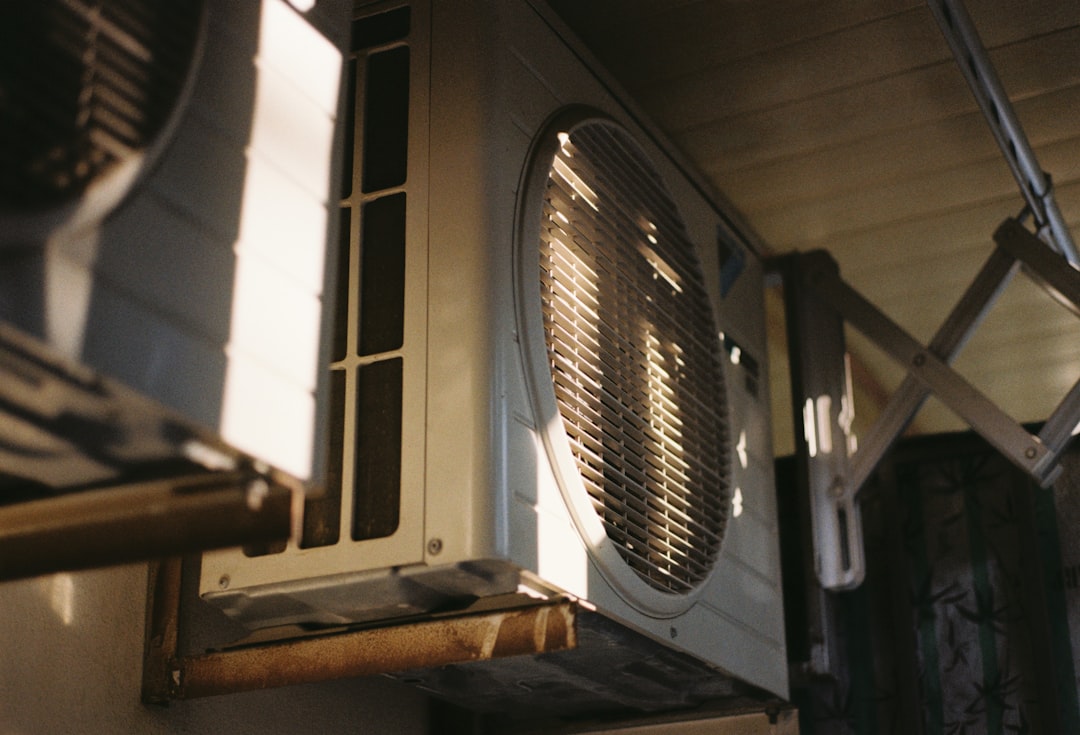
Safety note: Refrigerant is a regulated chemical. Adding, removing, or recovering refrigerant requires EPA Section 608 certification. Do not attempt to handle refrigerant yourself. If your system is low on refrigerant, that means it has a leak that needs professional diagnosis and repair. Make sure your home has working carbon monoxide detectors if any gas-fired equipment is present, and test them any time HVAC work is performed in your home.
What Refrigerant Does in Your HVAC System
Refrigerant is the working fluid that makes your air conditioner and heat pump function. It absorbs heat from the air inside your home at the evaporator coil, carries that heat to the outdoor unit, and releases it at the condenser coil. It then cycles back inside to repeat the process. Without enough refrigerant, this heat transfer breaks down and your system struggles to cool the space regardless of how long it runs.
Unlike motor oil or a car’s coolant, refrigerant in a properly sealed system should last the life of the equipment. It does not evaporate under normal conditions. The only reason refrigerant levels drop is because the refrigerant is escaping through a crack, pinhole, or faulty fitting somewhere in the system.
Understanding this point is important before you call a technician. If someone tells you your system just “needs a recharge” without mentioning a leak inspection, that’s a red flag. A recharge alone will not fix the underlying problem. The refrigerant will escape again, often within weeks or months, and you’ll be paying for another service call while the real damage continues to your compressor and evaporator coil.
If you want background on the different refrigerant types used in residential systems, including R-22, R-410A, and the newer R-32, see our guide to refrigerant types explained for a full breakdown of what each one means for repair costs and system longevity.
Signs Your HVAC System Needs Refrigerant
These are the most reliable warning signs that refrigerant levels may be low. No single symptom is definitive on its own, but two or three together should put refrigerant high on your list of suspects.
Warm or Lukewarm Air From the Vents
The most obvious symptom is reduced cooling output. If you set the thermostat to 72 degrees and the air coming out of the vents feels barely cool or even room temperature, that’s a sign the refrigerant isn’t absorbing enough heat at the evaporator coil. The system is running but the heat transfer is compromised.
This can also show up as the system running nearly constantly without reaching the target temperature. The unit is working hard but unable to deliver the cooling capacity it was designed for.
Ice or Frost on the Refrigerant Lines or Evaporator Coil
This one surprises a lot of homeowners. You’d think a low refrigerant system would just produce warm air, but ice actually forms when there isn’t enough refrigerant to properly absorb heat. The evaporator coil drops below freezing and moisture in the air freezes on contact.
Check the copper refrigerant lines running into your indoor air handler. If you see frost or ice on those lines, that’s a problem. Similarly, if you can access your air handler and see ice buildup on the evaporator coil itself, don’t just let it melt and move on. That indicates a system problem that needs professional attention.
If your system has iced over, turn it off and let it defrost completely before running it again. Running a frozen system adds serious stress to the compressor.
Hissing, Bubbling, or Gurgling Sounds
Refrigerant escaping through a small crack or hole often makes a hissing sound, similar to air leaking from a tire. Larger leaks may produce a bubbling or gurgling noise. These sounds are most audible near the refrigerant lines or at the outdoor unit.
Not every hiss or gurgle indicates a refrigerant leak specifically, but if you hear sounds you haven’t noticed before, especially alongside the other symptoms on this list, it’s worth calling a technician.
Higher Electricity Bills Without a Clear Cause
When refrigerant levels drop, the system has to work harder and run longer to achieve the same cooling. That means more electricity. If your summer energy bills have increased year over year and you can’t point to an obvious reason such as added square footage, more occupants, or an unusually hot stretch of weather, a slow refrigerant leak could be the cause.
We’ve seen cases where homeowners attributed rising bills to aging equipment when the actual problem was a refrigerant leak that had been slowly worsening over two or three seasons. Fixing the leak and recharging the system brought electricity consumption back in line with historical averages.
Long Run Cycles That Don’t Reach Set Temperature
An HVAC system with adequate refrigerant will cycle on, cool the space to the thermostat setting, and shut off. A low refrigerant system may run for 20, 30, or 40 minutes at a stretch without getting the home down to the target temperature, then cycle off briefly and start again.
This extended runtime is hard on the compressor, which is the most expensive component in the system. Running the compressor in a persistently low refrigerant state causes overheating and accelerated wear. Over time, this can lead to compressor failure, which typically means replacing the entire outdoor unit.
What Homeowners Can and Cannot Check Themselves
There is a clear line between what is safe and legal for homeowners to do and what must be handled by a licensed technician.
What you can do:
Visually inspect the refrigerant lines for signs of ice or frost buildup. Check the outdoor unit for unusual sounds. Look along the copper lines and around fittings for oily residue, which sometimes appears near a refrigerant leak point. Refrigerant itself is colorless and odorless in most cases, but the compressor oil that travels with it can leave a greasy stain at the point of escape.
You can also use an electronic refrigerant leak detector near suspected areas. A detector like the OEMTOOLS 24510 A/C Refrigerant Leak Detector is designed to alert you when refrigerant is present in the air near a leak source. This won’t tell you exactly how much refrigerant you’ve lost, but it can help you pinpoint the location to share with your technician.
UV dye kits are another homeowner-accessible diagnostic tool. Kits like the Robinair 16330 UV Leak Detection Dye Kit include dye that circulates through the refrigerant system and fluoresces under UV light at the leak point. This is the same method many technicians use to find pinhole leaks. Check your system documentation first, as some systems already have manufacturer-injected dye.
What requires a licensed technician:
Actually measuring refrigerant pressure requires manifold gauges such as the FavorCOOL AC Manifold Gauge Set and requires EPA Section 608 certification to use on a customer’s system. Adding or recovering refrigerant also requires certification. In the US, it is illegal for an uncertified person to purchase or handle most refrigerants used in residential HVAC equipment.
What a technician will do: connect gauges to the service ports on your outdoor unit, measure suction and discharge pressures, compare them against the manufacturer’s specifications for the current ambient temperature, and determine whether the charge is low. They’ll also conduct a leak inspection to find and repair the source before adding refrigerant.
Common Causes of Refrigerant Leaks
Refrigerant doesn’t just vanish. Something causes it to escape. Understanding the common causes helps you make sense of your technician’s findings and ask better questions.
Vibration and wear over time. Copper refrigerant lines vibrate slightly every time the compressor runs. Over years, this can cause hairline cracks at joints, elbows, or wherever lines make contact with other components. This is the most common cause of slow leaks in older systems and typically takes five to fifteen years to develop.
Poor installation. Fittings that were not tightened correctly during installation, or lines that were bent sharply rather than routed with gradual curves, can fail years after the initial work. This is why refrigerant leaks sometimes appear two or three years into a new system’s life.
Corrosion. Copper refrigerant lines and the evaporator coil can corrode over time. In coastal areas or environments with high humidity and salt air, this process accelerates. A specific type called formicary corrosion, caused by a reaction between copper, moisture, and trace organic acids from building materials or certain cleaning products, can create pinhole leaks in the evaporator coil. These leaks are notoriously difficult to find and repair, and repeated patching may eventually point toward coil replacement.
Schrader valve failures. The service ports on your outdoor unit have small valve cores similar to tire valves. These can develop leaks over time, particularly if the system has been serviced multiple times and the valve has been opened and closed repeatedly.
Physical damage. Lawn equipment striking refrigerant lines, hail impact on the outdoor unit, or rodents chewing through insulation and eventually the copper underneath can cause sudden or gradual leaks.
Step-by-Step: What to Do If You Suspect a Refrigerant Leak
If several of the warning signs above apply to your system, here’s a practical sequence to follow.
-
Turn off the system if it’s iced over. Let it thaw completely before running it again. Running a frozen coil in a low refrigerant state adds compressor stress.
-
Check your air filter first. A severely clogged air filter can cause almost identical symptoms: warm air, ice buildup, and long run cycles. Rule this out before calling anyone. It’s free to check and a new filter costs under $30.
-
Do a visual inspection. Look for frost on the refrigerant lines, oily residue near fittings, and listen for hissing or bubbling at the outdoor unit.
-
Document the symptoms. Write down when the problem started, what you’ve noticed, current thermostat setting versus actual indoor temperature, and any sounds. This helps your technician diagnose faster.
-
Call a licensed HVAC technician. Ask specifically for a leak inspection in addition to a refrigerant check. If they recommend a recharge without leak testing, ask why. A reputable technician will always find and fix the leak first.
-
Get a repair quote before authorizing a refrigerant charge. The leak repair may cost more than the refrigerant itself. For older systems using R-22, the economics sometimes favor replacement over continued repair and recharge.
-
Ask about a leak warranty. Most reputable technicians will warranty their leak repairs for at least 30 to 90 days. If refrigerant drops again within that period, the repair should be covered.
Common Mistakes Homeowners Make With Refrigerant Issues
Waiting too long. A slow refrigerant leak that gets ignored for a full cooling season often results in compressor damage. The compressor is designed to operate with a specific charge, and running it consistently short causes overheating and wear. Compressor replacement typically costs $1,500 to $3,000 or more, far exceeding what a timely leak repair would have cost.
Accepting a recharge without a leak repair. This is the most expensive mistake. Refrigerant costs $50 to $150 per pound depending on the type, and a low system may be missing several pounds. Without fixing the leak, you’re buying refrigerant again next season.
Confusing low refrigerant with a dirty air filter. These two problems share almost identical symptoms: warm air from vents, ice buildup on the coil, and long run cycles. Always inspect and replace the air filter before assuming refrigerant. Filters cost $5 to $30. Refrigerant service calls run $150 to $500 or more.
Attempting a DIY refrigerant top-off. Online retailers sometimes sell recharge kits marketed to homeowners. These are typically designed for automotive AC, not residential split systems. Using the wrong refrigerant type or incorrect pressures can damage equipment, and handling refrigerant without EPA Section 608 certification is illegal in residential HVAC service.
Not asking about the leak source. Many homeowners are relieved when the system cools again after a recharge and don’t ask where the refrigerant went. Insist on knowing the leak location and what was done to repair it. Document this for future service calls.
Frequently Asked Questions
How much refrigerant does a typical home HVAC system hold?
Residential central air conditioning systems typically hold between 5 and 20 pounds of refrigerant, depending on system size, configuration, and efficiency rating. A standard 3-ton system might hold 6 to 12 pounds. The exact factory charge is listed on the nameplate attached to your outdoor unit.
Can a refrigerant leak be dangerous to my health?
Modern refrigerants like R-410A and R-32 are not toxic in concentrations typical of a slow household leak. However, in a confined space with a large refrigerant release, refrigerant vapor can displace oxygen and cause asphyxiation. If you ever notice a sweet chemical odor near your equipment and feel lightheaded or short of breath, leave the area immediately and call for help. Some older refrigerants have different hazard profiles, so check your system’s nameplate for the specific type.
How long should a refrigerant charge last?
A properly sealed system should hold its original factory charge for the life of the equipment, typically 15 to 25 years. If you’re having refrigerant added more than once every several years, there is an ongoing leak that has not been properly repaired.
My technician says I’m one or two pounds low. Is that normal?
No. One or two pounds low is a meaningful loss, not a minor adjustment. That refrigerant went somewhere. Ask your technician where the leak was found and how it was repaired before authorizing a refrigerant charge. A technician who can’t tell you the leak source has not finished the job.
What does refrigerant actually cost per pound?
The cost varies by type. R-22 has become expensive due to scarcity following its production phase-out, often running $50 to $150 per pound or more at the retail level. R-410A runs around $10 to $30 per pound at technician cost, but labor and markup push the total service call higher. For more detail on refrigerant types and what they mean for your system, see the EPA’s Section 608 overview.
Related Reading
If your system passed the refrigerant check but is still underperforming, the issue may lie elsewhere. Dirty condenser coils are another common cause of reduced cooling efficiency that homeowners can address without a service call. See our guide on how to clean AC condenser coils for a step-by-step walkthrough.
If this guide helped you understand what’s going on with your system, bookmark it for reference before your next service call. Knowing the right questions to ask your technician is half the battle.