Zone Control Systems: Are They Worth It for Homeowners?
If you have rooms that never seem to reach the right temperature no matter how high you run your HVAC system, you are not alone. Two-story homes, houses with finished basements, and older homes with poorly balanced ductwork all suffer from the same frustration: one thermostat trying to do a job that really requires more precision. Zone control systems are designed to solve exactly this problem.
In this guide, we break down how HVAC zone control works, what it costs, when it makes financial sense, and what to watch out for before you commit.
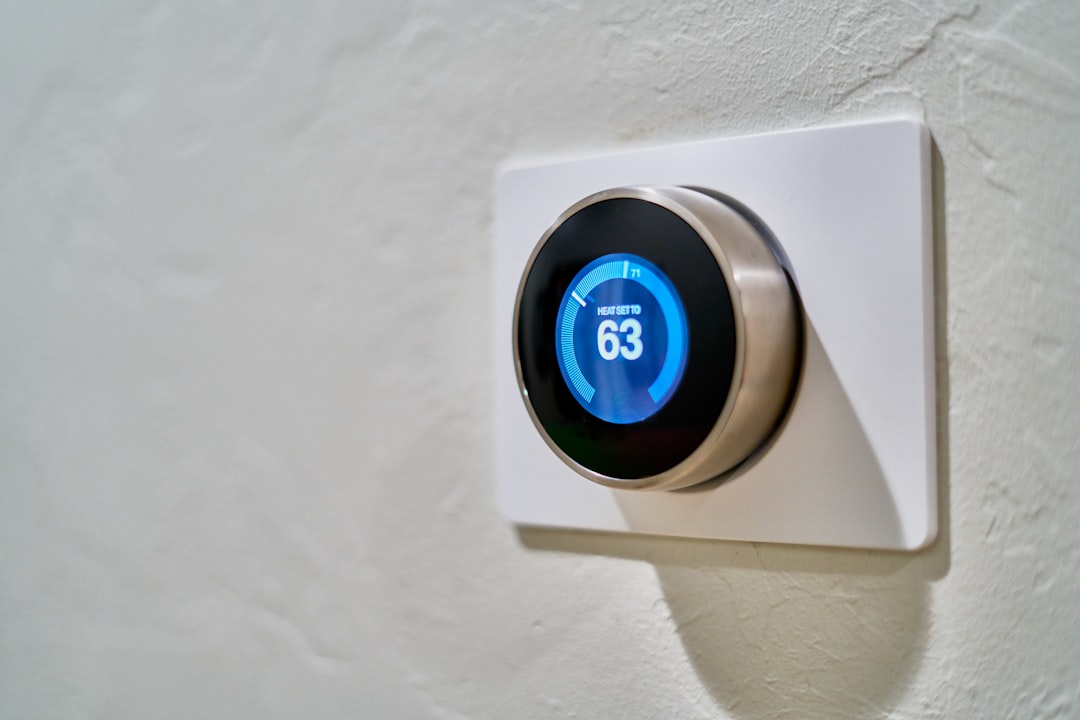
Photo by Dan LeFebvre on Unsplash
What Is an HVAC Zone Control System?
A zone control system divides your home into separate “zones,” each with its own thermostat and the ability to receive conditioned air independently of other zones. Rather than running separate HVAC equipment for every area of your home, a zone system uses one central unit but routes airflow intelligently through motorized dampers in your ductwork.
The three core components are:
Motorized dampers installed inside your existing duct branches. These open and close based on demand from each zone’s thermostat. When a zone is satisfied, its damper closes so conditioned air doesn’t bleed into rooms that don’t need it.
A zone control board (also called a zone controller or panel), which is the brain of the system. It receives signals from all thermostats, orchestrates which dampers open and when, and communicates with your HVAC unit about how much capacity to run.
Multiple thermostats, one per zone, placed in representative rooms for each area. These can be standard programmable units or smart thermostats.
Most homes are set up with two to four zones, though larger properties can run six or more.
How Zone Control Actually Works
When you set a temperature on one zone’s thermostat and that zone calls for heating or cooling, the zone board opens the damper for that area and signals the HVAC unit to run. If only one zone is calling, only that zone’s damper opens fully. If multiple zones call simultaneously, multiple dampers open and the HVAC runs at higher capacity or longer cycles.
The key detail many homeowners miss: when only one zone is active, all that airflow has to go somewhere. A system without a bypass mechanism will push too much static pressure into the supply plenum, stressing the blower and heat exchanger. Properly installed zone systems include one of two solutions:
- A bypass damper that redirects excess airflow back to the return when not all zones are open.
- A variable-speed air handler that modulates capacity based on how many zones are calling.
In our experience, variable-speed systems paired with zone control deliver noticeably better comfort and quieter operation compared to single-speed setups with bypass dampers. The bypass approach works, but it introduces recirculation that can affect humidity balance.
Zone Control vs. Alternatives: Which Option Is Right for You?
Before committing to zone control, it’s worth comparing against other ways to solve uneven comfort.
| Solution | Best For | Upfront Cost | Ongoing Cost | Complexity |
|---|---|---|---|---|
| Zone control (dampers + board) | Homes with existing central duct systems | $2,500-$5,000+ installed | Low | Moderate |
| Mini-split (ductless) | Additions, garages, homes without ducts | $1,500-$4,000 per zone | Low | Low (no ducts) |
| Window/portable AC | Single rooms, temporary relief | $200-$700 | Higher (less efficient) | Very low |
| Duct balancing + dampers | Minor imbalance from poor original installation | $300-$800 | None | Low |
| High-velocity zoning | Old homes with no existing ducts | $5,000-$12,000 | Low | High |
Zone control makes the most sense when your home already has a ducted system with enough trunk capacity to accommodate dampers, and when the comfort problem spans multiple areas rather than a single room.
If the problem is isolated to one room, a ductless mini-split is almost always cheaper and less disruptive. For a comparison of these two approaches in detail, see our guide on Central AC vs. mini-split: which is right for your home?.
Decision Framework
Zone control is worth pursuing when three or more of these apply:
- You have two or more floors with different temperature needs
- You have a finished basement that runs 5+ degrees different from the main floor
- You have a bonus room, sunroom, or home addition with different sun exposure
- Your current duct system is in good shape and sized adequately for the main load
- You plan to stay in the home long enough to recoup a 3-5 year payback
If your duct system is undersized, leaky, or poorly designed, fix those issues first. Adding zone control on top of a fundamentally flawed duct system will not solve your comfort problems and can accelerate equipment wear.
Is Zone Control Worth the Cost? A Real Look at the Numbers
Installed cost for a professionally designed zone system typically runs $2,500 to $5,000 for a two or three zone setup in an average-sized home, with larger or more complex installations going higher. DIY-friendly zone controller kits like the SmartZone-3X 3 Zone HVAC Controller Kit with Temp Sensor can reduce labor costs if you are comfortable with low-voltage wiring, but most homeowners hire a licensed HVAC technician for the full installation.
Energy savings are real but variable. The U.S. Department of Energy estimates that zoning can reduce heating and cooling costs by 20-30% in homes where conditioning unused areas is a significant waste. Homes that routinely heat or cool the entire square footage even when occupants are concentrated in one area see the largest savings.
A realistic payback example: if your annual HVAC bill is $1,800 and zone control cuts 20% ($360/year), a $3,600 installed system pays back in about 10 years on energy alone. That is marginal. However, if you factor in improved comfort, fewer calls for “spot” solutions like window units, and potentially extended equipment life from more even load management, the value proposition improves.
When it genuinely pays off: Large homes over 2,500 sq ft, two-story homes with strong thermal stratification, and households where occupants have very different comfort preferences all tend to see real returns.
When it probably doesn’t: Small homes under 1,500 sq ft, homes with already well-balanced ducts, or situations where only one or two rooms are mildly uncomfortable.
Can You Add Zone Control to an Existing HVAC System?
Yes, in most cases. The requirements are:
- Your duct system has distinct branch runs that can be independently dampered (most forced-air systems do)
- Your air handler can tolerate varied static pressure, or you add appropriate bypass capacity
- You have accessible wiring paths for low-voltage thermostat wire
What the Installation Involves
Step 1: Duct assessment. A technician maps your duct layout and identifies where dampers should be installed. Each zone needs at least one branch or trunk section that can be isolated. If multiple rooms share a single branch, they will be in the same zone.
Step 2: Damper installation. Motorized dampers (round or rectangular, depending on duct geometry) are cut into the duct at key branch points. A 6” round professional-grade zone damper is typical for medium branch runs. Larger trunk dampers handle higher airflow.
Step 3: Zone board installation. The zone control board is typically mounted near the air handler. Low-voltage wire runs from the board to each damper and each thermostat.
Step 4: Thermostat placement. Each zone gets a thermostat in a representative location, away from direct sunlight, exterior walls, and supply registers.
Step 5: Bypass or variable-speed setup. Either a bypass damper is installed in the supply plenum, or the system is configured to modulate based on the capabilities of the air handler.
Step 6: Commissioning. The technician sets zone priorities, bypass settings, and tests each zone through full heating and cooling cycles.
For experienced DIYers comfortable with low-voltage wiring and ductwork, kits that bundle a zone controller with sensors, such as the MOES Smart Programmable Thermostat with Zone Remote Sensor, can make a partial DIY approach realistic for the thermostat and board portions. Damper cutting and duct modifications are best left to a professional.
Safety note: Zone control installation involves working in your electrical panel area and with low-voltage control wiring throughout your HVAC system. Always shut off power to the air handler and furnace at the breaker before any wiring work. If your system is gas-fired, do not modify any gas-side components. Working inside the air handler near electrical components without proper precautions can cause injury or equipment damage. When in doubt, hire a licensed HVAC contractor. If you have a gas furnace, ensure your home has working CO detectors before and after any HVAC modification.
Common Zone Control Problems and Mistakes
We have seen zone control installations go wrong in consistent, avoidable ways.
Bypass Damper Sized Incorrectly
The bypass damper needs to be matched to the airflow capacity of your system. Too small and it cannot handle the pressure when only one zone is calling. Too large and it moves so much air that your air handler short-cycles. The calculation depends on your system’s total airflow (in CFM) and how many zones you have.
Conflicting Thermostat Setpoints
When adjacent zones have significantly different setpoints (say, 65 in the basement and 74 on the main floor), the system may never fully satisfy either zone, leading to long run times. Zones should have reasonable temperature differentials; more than 8-10 degrees between adjacent zones is usually a sign the system is undersized for the thermal load.
Adding Zones Without Addressing Duct Leakage
A leaky duct system wastes conditioned air in unconditioned spaces regardless of how well you zone. If your ducts are leaking 20-30% of airflow into the attic or crawlspace, zoning will not fix that. Our guide on how to seal duct leaks yourself covers the approach for addressing this before or alongside a zoning project.
Skipping the Variable-Speed Upgrade
Single-speed air handlers with bypass dampers work, but we have found through testing both setups that variable-speed systems with zone control deliver meaningfully better humidity control and comfort, particularly in shoulder seasons (spring and fall) when loads are light. If you are already investing in zone control, upgrading to a variable-speed air handler at the same time significantly improves the outcome.
No Consideration for Heating vs. Cooling Behavior
A zone layout that works well for cooling may not work as well for heating, especially in multi-story homes where heat rises. In our experience working through these setups, the best zone boundaries account for both seasons rather than optimizing for one.
For more background on how system sizing affects zone behavior, see our post on what size HVAC system does your house need.
Frequently Asked Questions
Can zone control damage my HVAC system?
Improper zone control installation can stress your equipment, particularly if dampers close without adequate bypass capacity. This creates excessive static pressure that strains the blower motor and can crack a heat exchanger over time. A correctly designed system with proper bypass or a variable-speed air handler does not cause additional wear. The key word is “correctly designed.”
How many zones do I need?
Most homes benefit from two to three zones: upper floor, lower floor or basement, and optionally a main living area. Adding more zones than you need increases cost and system complexity without proportional comfort improvement. A good rule of thumb is one zone per floor plus any isolated area (sunroom, bonus room) with distinct thermal characteristics.
Can I use a smart thermostat with a zone system?
Yes, but compatibility depends on the zone control board. Some boards work with common smart thermostats like Nest or Ecobee directly. Others require proprietary thermostats. Verify compatibility with the zone board manufacturer before purchasing smart thermostats. The wiring requirements are typically the same (R, C, G, Y, W), but some smart thermostats need a C-wire that older zone wiring may not include.
Will zone control help with hot upstairs rooms in summer?
This is the most common reason homeowners pursue zone control, and it can help significantly. Thermal stratification (heat rising) combined with attic heat gain makes upper floors consistently warmer in summer. A zone system lets you run more cooling to the upper floor independently without overcooling the main level. However, improving attic insulation and sealing air leaks in the ceiling will reduce the underlying cause and may resolve the problem for less money. Zone control addresses the symptom; insulation addresses the root cause. Often both are worthwhile.
Do I need a special thermostat for each zone?
Each zone needs its own thermostat, but they do not need to be identical or special purpose beyond compatibility with your zone board. Standard 24V thermostats work in most systems. Smart thermostats work when compatible. Some homeowners use a smart thermostat in the primary zone and simpler programmable units in lower-traffic zones.
What does the DOE say about zoning systems?
The U.S. Department of Energy recognizes zone control as an effective energy efficiency measure for larger homes. Their home cooling guidance notes that zoning prevents the waste of conditioning unoccupied rooms, which is the primary mechanism for energy savings.
Is Zone Control Worth It? The Bottom Line
For many homeowners, the honest answer is: it depends on what problem you are trying to solve. If you have a large two-story home where the upstairs is consistently 8+ degrees warmer than the downstairs, and your ducts are in reasonable shape, zone control is a legitimate long-term investment. If you have one uncomfortable room, a mini-split or even better duct balancing is likely a faster and cheaper fix.
The homeowners who get the most value from zone control are those who address the whole system holistically: seal ducts first, verify their equipment is correctly sized, then add zoning. Layering zone control on top of existing problems delays the payback and reduces satisfaction with the outcome.
If you are seriously evaluating zone control, get at least two quotes from licensed HVAC contractors who include a duct assessment as part of the proposal. A contractor willing to look at your duct layout and system capacity before quoting is far more likely to deliver a result that actually works.
Bookmark this page for reference when you are ready to get quotes, or share it with your HVAC contractor to make sure the conversation covers the key points: bypass capacity, zone board compatibility, and whether your existing duct branches support the zones you want.
Related reading: How to fix uneven heating and cooling between rooms