Why Is My HVAC Making Noise? A Guide to Common Sounds and What They Mean
Your HVAC system ran quietly for years, and now it is making a sound you have never heard before. That first strange noise from a furnace or air conditioner is one of the most common reasons homeowners call HVAC companies. Before you reach for the phone, though, it helps to understand what different sounds typically mean, which ones you can address yourself, and which ones require a licensed technician.
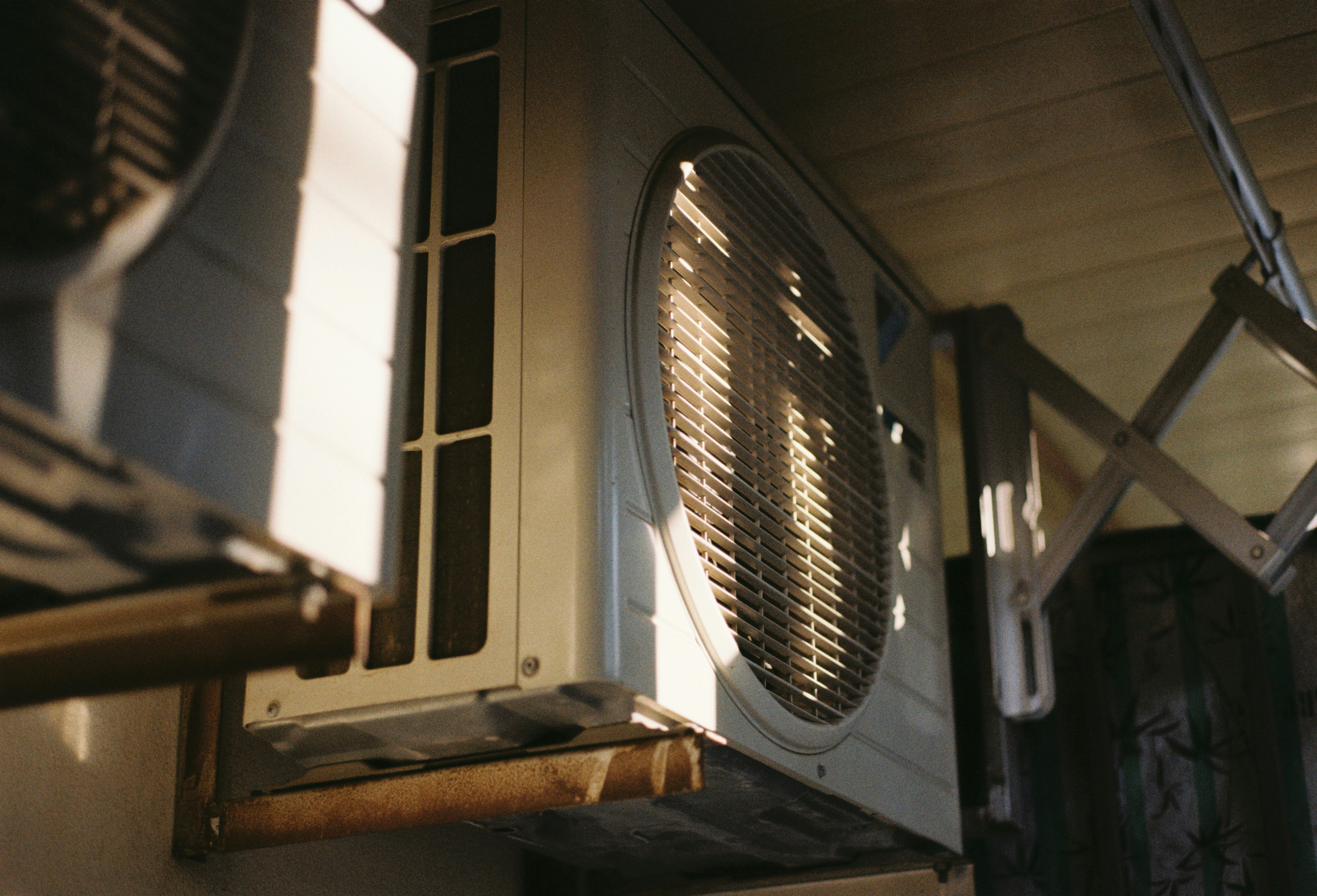
This guide covers the most common HVAC noises, what typically causes them, and the steps you can take to diagnose the problem before spending money on a service call.
Safety warning: Some HVAC issues involve high-voltage electrical components, pressurized refrigerant lines, or gas combustion. If you smell gas, leave the house immediately and call your gas utility from outside. If you suspect a refrigerant leak, do not attempt repairs yourself. Always turn off power at the breaker before opening any equipment panel. Install a carbon monoxide detector near your HVAC equipment if you do not already have one, and check the batteries at least twice a year.
What Your HVAC Should Sound Like Normally
Before diagnosing a noise problem, it is worth understanding what a properly functioning HVAC system sounds like during normal operation. Knowing the baseline makes it easier to spot when something changes.
A central air conditioner or heat pump produces a low, steady hum from the compressor and fan motor when running. The outdoor unit fan makes a gentle whooshing sound as it pulls air through the condenser coils. When the thermostat calls for cooling or heating, you will hear a soft click as the contactor or relay engages, followed by the compressor starting up. This start-up sound is slightly louder than the steady running sound and lasts only a second or two.
Inside the house, the air handler or furnace blower produces a consistent airflow sound similar to a box fan set to medium speed. You may hear soft pops or ticks as metal ductwork expands and contracts with temperature changes, particularly at the start and end of each cycle. This is normal and usually harmless, though persistent loud popping can indicate undersized ducts or a clogged filter restricting airflow.
When a cycle ends, the system winds down with a gradual decrease in fan noise. The compressor will make a brief thump or vibration as it shuts off. This is the refrigerant pressure equalizing across the system and is not a sign of a problem.
The key is consistency. A system that sounds the same every cycle, every day, is almost certainly working correctly. A new sound, a sound that changes in character, or a sound that appears and disappears unpredictably is worth investigating further.
What Banging, Clanking, and Rattling HVAC Noises Mean
Banging and clanking are among the most alarming HVAC noises because they usually indicate a moving part has come loose or broken. Unlike background hums and ticks, these sounds demand attention. In our experience with HVAC systems, ignoring a clanking sound is one of the more costly mistakes homeowners make, since what starts as a loose screw can quickly become a damaged blower wheel or bent fan blade.
Banging from the Furnace at Startup
A loud bang or boom at the start of a heating cycle almost always comes from delayed ignition. Gas builds up in the combustion chamber before it lights, and when ignition finally happens, the accumulated gas ignites all at once with a bang. This is not just annoying. It is a safety issue because repeated small explosions can crack the heat exchanger over time, which allows combustion gases including carbon monoxide to enter the living space. Have a technician inspect the igniter, flame sensor, and burner cleanliness. See our guide to furnace not igniting for more on combustion problems.
Clanking from the Air Handler or Outdoor Unit
A metallic clanking sound during operation usually means a fan blade has come loose and is striking the housing with each rotation. Turn off the system immediately at the thermostat and then at the breaker. Do not run it again until the blade is inspected. Operating the system further will worsen any damage and can destroy the motor or housing.
Rattling from Panels and Access Covers
A lower-pitched rattling is often a loose sheet metal panel or access door. Check that all screws are tight on the furnace cabinet, air handler housing, and ductwork connections near the unit. This is a DIY fix in most cases. For units that rattle due to vibration against the pad or surface they sit on, rubber anti-vibration pads placed under the unit can solve the problem without any tools. The Air Jade 4 Pack Rubber Anti-Vibration Pads are a popular option for both indoor air handlers and outdoor compressor pads and take only minutes to install.
Banging or Thumping from Inside the Ducts
Debris, a displaced duct board, or an improperly positioned damper can bang around when airflow changes direction. Inspect visible ductwork for gaps, disconnected sections, or obvious obstructions. If the banging is periodic and rhythmic, it may be a damper flap moving with each pressure change rather than a loose object.
Squealing and Screeching Sounds from Your HVAC
A high-pitched squeal or screech from your HVAC system creates an urgent feeling for good reason. These sounds usually mean a mechanical component is failing, often due to friction or lack of lubrication. Do not ignore them.
Blower Belt Wear in Older Systems
Many furnaces and air handlers from the 1980s and 1990s used a belt-drive blower motor. As the belt ages, it stretches, cracks, and begins to slip, producing a squealing sound similar to a car with a worn drive belt. Replacing a blower belt is a manageable DIY job on most older furnaces if you are comfortable working around the equipment with the power off. Newer systems almost all use direct-drive motors with no belt, so if your system is less than 20 years old, this is unlikely to be the source.
Motor Bearing Failure
Both the blower motor and the condenser fan motor use bearings that wear out over time. A failing bearing produces a grinding squeal that tends to get louder as the motor warms up. Unlike a slipping belt, bearing failure in a motor typically means the motor itself needs replacement. Continuing to run a motor on failing bearings risks complete seizure and potential damage to adjacent components.
High-Pitched Sounds Near the Refrigerant Lines
A high-pitched whistling or screech near the refrigerant lines sometimes indicates refrigerant escaping through a small crack or loose fitting under pressure. This is not a DIY repair. According to the U.S. Environmental Protection Agency, refrigerant handling requires an EPA Section 608 certification. If you hear this type of sound combined with reduced cooling performance, turn off the cooling system and call a licensed technician.
How to Diagnose HVAC Noise Step by Step
A methodical approach saves time and prevents misdiagnosis. Here is the process we recommend before calling for service.
Step 1: Note when the noise occurs. Does it happen at startup, during steady operation, at shutdown, or all the time? A noise only at startup points to the starting components such as capacitors, belts, and ignition. A constant noise during operation points to bearings, debris, or electrical components. A noise only at shutdown often indicates normal compressor pressure equalization, or a loose part that vibrates as airflow drops.
Step 2: Note where the noise comes from. Walk around the system and listen at the outdoor unit, the air handler or furnace cabinet, the supply vents, and the return grille. Locating the source of HVAC noise narrows the possible causes significantly.
Step 3: Check the filter first. A dirty filter causes more HVAC problems than almost any other single factor. Replace it before doing anything else. The pressure restriction from a clogged filter causes the blower motor to strain, can cause duct popping, and reduces efficiency across the whole system.
Step 4: Inspect visible and accessible components. With the system off and power off at the breaker, check all panel screws, look at the blower wheel for debris or wobble, inspect the outdoor fan blades for damage or looseness, and look at accessible ductwork for disconnected sections.
Step 5: Use a diagnostic tool to isolate sounds. With the system running, an allsun Ultrasonic Leaking Detector Electronic Stethoscope lets you press the probe against different components and listen for the specific source without guessing. This is especially useful for identifying whether a hum is coming from the compressor, the capacitor, or a vibrating panel.
Step 6: Cross-reference the table below to match what you are hearing with the most likely cause and decide whether to proceed yourself or call a technician.
| Sound | Location | Most Likely Cause | DIY or Pro? |
|---|---|---|---|
| Loud bang at startup | Furnace | Delayed ignition | Pro (safety risk) |
| Clanking during operation | Air handler or outdoor unit | Loose or broken fan blade | Pro (shut down first) |
| Rattling panels | Cabinet or nearby ductwork | Loose screws or sheet metal | DIY |
| Belt squeal | Air handler (older systems) | Worn blower belt | DIY |
| Grinding squeal | Air handler or outdoor unit | Bearing failure in motor | Pro |
| Rapid clicking at startup | Any | Capacitor or contactor failure | DIY (capacitor), Pro (contactor) |
| Loud hum but system will not start | Outdoor unit | Bad run capacitor | DIY (with caution) |
| Buzzing electrical hum | Air handler or outdoor unit | Contactor wear or wiring fault | Pro |
| Hissing near refrigerant lines | Indoor coil or line set | Refrigerant leak | Pro (EPA-regulated) |
| Whistling at return vent | Return grille | Clogged filter or undersized return | DIY |
| Popping in ductwork | Ductwork throughout home | Pressure imbalance or thermal expansion | DIY (filter and sealing) |
Clicking, Humming, and Buzzing Noises
These sounds often point to electrical components such as relays, contactors, and capacitors. We have tested both DIY capacitor replacements and professional service calls on similar residential units, and for confident homeowners who can safely discharge a capacitor and work around low-voltage wiring, a capacitor replacement is one of the more accessible HVAC repairs.
Rapid Clicking at Startup
A single click when the system starts and stops is normal. Rapid, repetitive clicking during a startup attempt means the system is trying to engage but failing. On a heat pump or air conditioner, this points to a bad capacitor or a faulty contactor. On a furnace, rapid clicking is usually the ignition system attempting to light repeatedly without success.
Capacitor Failure
The start and run capacitors give the compressor and fan motors the electrical boost they need to start and maintain operation. A failing capacitor causes the motor to hum loudly without starting, or to start slowly and struggle. Capacitors are available as replacement parts, and with the power off and the capacitor properly discharged, replacing one is within reach for many homeowners. The BOJACK 5 uF CBB65 Oval Run Start Capacitor is a commonly stocked replacement for residential AC units, though you must always match the microfarad rating and voltage rating to your specific capacitor. The specifications are printed on the capacitor label.
Contactor and Transformer Buzzing
The contactor is the electromagnetic switch that sends power to the compressor. Over time, the contact points become pitted and corroded, causing a loud buzzing or chattering sound when the contactor is engaged. Contactors are inexpensive parts, but the wiring involved operates at 240V, and this is a repair best handled by a technician unless you have specific electrical experience. A low buzzing hum from the air handler transformer or control board is similarly a job for a professional.
Hissing, Whistling, and Popping Sounds
Hissing Near the Refrigerant Lines
A hiss from the refrigerant lines or indoor coil area is one of the more serious HVAC sounds because it frequently indicates a refrigerant leak. Pressurized refrigerant escaping through a small crack or loose fitting makes a distinct hissing sound, sometimes accompanied by a decrease in cooling performance. Refrigerant leaks raise operating costs and can damage the compressor if the system runs low for too long. See our complete guide to how to tell if your HVAC system needs refrigerant for the full symptom checklist. Do not attempt to add refrigerant yourself, and do not continue operating a system you suspect is leaking.
Whistling at Return Vents
A high-pitched whistle from the return air grilles almost always means the filter is clogged or the wrong size, restricting airflow through a smaller effective opening. Replace the filter and see if the sound disappears. If the whistle continues with a fresh filter, the return ductwork may be undersized for the airflow requirements of the system.
Popping in Ductwork
Some degree of popping in ductwork is normal as metal expands and contracts. Louder or more frequent popping suggests ductwork that is undersized, has poor joint sealing that allows pressure to spike at junctions, or is under strain from a clogged filter reducing static pressure uniformity. Sealing duct leaks improves pressure distribution and often reduces popping. Our guide to sealing duct leaks yourself walks through the full process.
Common Mistakes That Make HVAC Noise Worse
Running the system after a new noise appears. Turning off the system when you first notice an unusual sound is almost always the right call. A loose fan blade that is just ticking against a housing will become a destroyed blade and damaged motor if you keep running it. A failing bearing will seize. A refrigerant leak will continue starving the compressor until it fails entirely. When in doubt, shut it down and investigate.
Diagnosing the wrong component. A hum from the outdoor unit often sounds like the compressor, but it is frequently a bad capacitor preventing the compressor from starting. Replacing the compressor when the capacitor was the actual failure is an expensive mistake. Capacitors are the most common residential outdoor unit failure and should always be tested before assuming the compressor has failed.
Neglecting the filter. A clogged filter restricts airflow enough to cause the blower motor to strain against the resistance, which produces additional noise and heat. It also creates pressure imbalances that cause duct popping and register whistling. Replacing the filter on a consistent schedule prevents a remarkable number of noise complaints before they start. Check your filter every 30 days and replace it at least every 90 days for standard 1-inch filters.
Skipping vibration isolation. Outdoor units on concrete pads vibrate constantly during operation. Over time, bolts loosen, pads compress, and the vibration transmits through the pad and into the structure of the home. Adding or replacing anti-vibration isolation pads under the unit takes 15 minutes and can eliminate low-frequency hum and rattling that might otherwise point you in the wrong direction diagnostically.
Attempting refrigerant work without a license. Handling refrigerant without an EPA Section 608 certification is illegal under federal law and dangerous. No amount of DIY experience changes this. If refrigerant is the issue, call a licensed HVAC technician. Trying to add refrigerant from a consumer-grade can does not fix leaks and may introduce contamination into the system.
Frequently Asked Questions
Why does my HVAC make a noise only when it first starts up?
Startup noises are common and often benign. Metal ductwork expands with temperature changes and can pop or tick when a cycle begins. Belt-drive blowers may squeal briefly until the belt warms up, which is a sign the belt needs replacement soon. A compressor may make a brief thump on startup as it begins building pressure. However, a loud bang at furnace startup, a grinding squeal from any component, or rapid clicking that prevents the system from engaging are all signs of a problem that needs attention from a technician.
Is a humming noise from my AC unit dangerous?
A low, steady hum is normal operating sound. A loud hum accompanied by a failure to start typically indicates a failed run capacitor or a seized compressor. Shut the system off to prevent further damage and have the capacitor tested first before assuming the compressor is the issue. A buzzing hum accompanied by sparks or a burning smell is an electrical emergency that warrants an immediate shutdown and a service call.
Can I add oil to a noisy HVAC motor myself?
Some older blower motors have oil ports that accept a few drops of non-detergent electric motor oil. If your motor has an oil port marked on the housing near the bearings, lubricating it is a legitimate DIY maintenance task. Most motors manufactured in the last 20 years are sealed and permanently lubricated at the factory. Trying to oil a sealed motor accomplishes nothing. Check the motor nameplate or your system’s documentation to confirm whether your motor is an oil-type unit.
How much does HVAC noise repair typically cost?
Costs vary widely by cause. A capacitor replacement part costs $10 to $40, and a typical service call for this repair runs $100 to $200 including labor. A contactor replacement is similar. A blower motor replacement runs $300 to $600 with labor. A cracked heat exchanger from repeated delayed ignition bangs can cost $1,000 or more to replace and may justify a full furnace replacement if the unit is already older. Addressing noises early costs far less than the repair required after extended operation on a failing component.
Should I turn off my HVAC when I hear a strange noise?
For metallic clanking, banging at furnace startup, grinding, or any sound you cannot identify, yes. Turning off the system prevents whatever is failing from causing secondary damage. For minor rattles from a loose panel or a brief soft squeal that stops after startup, you can continue monitoring while arranging for an inspection. When in doubt, it is easier to schedule a service call than to replace a compressor or heat exchanger.
Bookmark this guide so you have it handy the next time your HVAC system makes an unexpected sound. For a full seasonal maintenance schedule that helps prevent most of these problems before they start, see our HVAC annual maintenance checklist.