Indoor Humidity Control: Humidifiers, Dehumidifiers, and Your HVAC
Most homeowners think about temperature when something goes wrong with their HVAC system. Humidity is the quieter problem. It creeps in and causes static electricity in January, condensation on windows in July, and a general feeling that the house is never quite comfortable no matter what the thermostat says. Get humidity wrong in either direction and you are dealing with dry sinuses, peeling paint, warped wood floors, mold risk, and a system working harder than it needs to.
In our experience walking through this with homeowners, humidity is the single most overlooked comfort variable in the average house. The good news: it is also one of the most fixable.
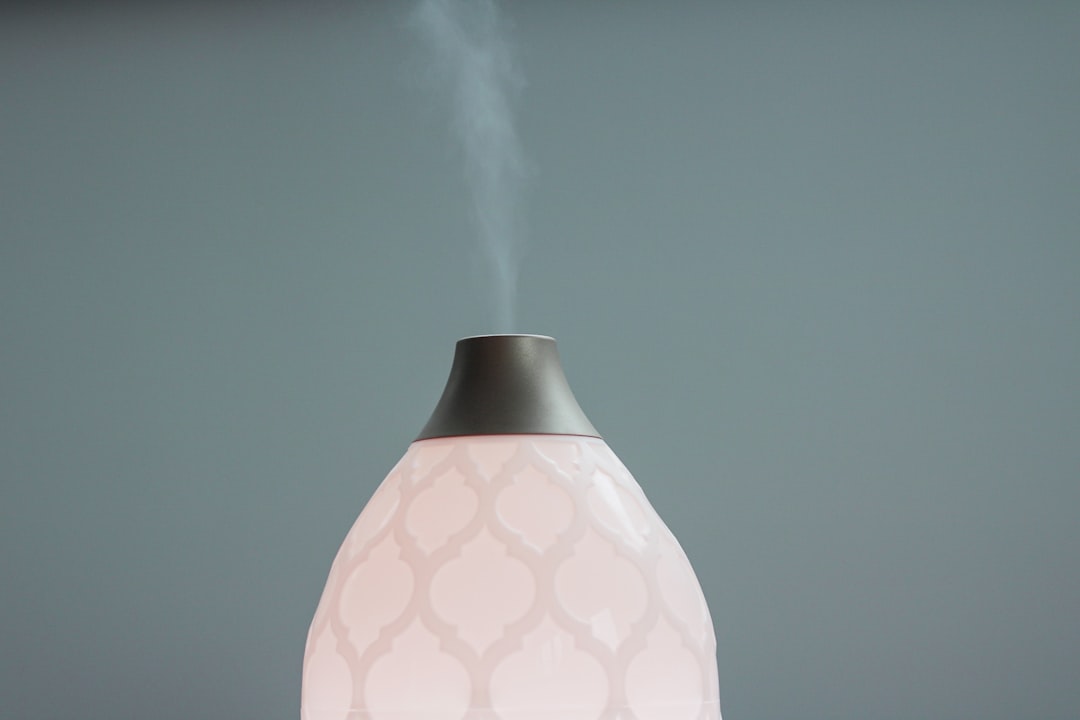
Photo by Felicia Buitenwerf on Unsplash
A quick note on professional installation: Whole-house humidifiers that connect to your furnace involve water lines and low-voltage wiring. If you are not comfortable working near your furnace, or if your system is older and you are unsure of its condition, have an HVAC technician handle the installation. While you are at it, make sure you have a working CO detector on every floor; it is basic safety for any home with a furnace, boiler, or water heater.
What Is the Right Humidity Level for Your Home?
The target range for indoor relative humidity is 35% to 50% year-round. ASHRAE (the American Society of Heating, Refrigerating and Air-Conditioning Engineers) recommends staying in that band to support both occupant health and building materials.
In practice, most homes fall outside that range for at least part of the year:
Below 30% RH (too dry): Common in cold climates during winter when outdoor air is dry and forced-air heating drops relative humidity further. Symptoms include dry skin and throat, increased static electricity, cracking wood furniture, and gaps appearing in hardwood floors.
Above 60% RH (too humid): Common in hot and humid climates, basements, and poorly ventilated spaces in summer. Symptoms include condensation on windows and cold surfaces, musty odors, mold growth on grout and drywall, and wood swelling or warping.
The sweet spot, 35-50% RH: Comfortable for most people, safe for building materials, and reduces the airborne lifespan of viruses and bacteria. Studies from researchers at Yale have found that staying near 40-60% RH significantly reduces influenza transmission indoors.
The seasonal challenge is that these problems flip depending on the time of year. Winter calls for adding moisture; summer calls for removing it. Your HVAC system plays a role in both directions, and understanding how it interacts with humidity is the starting point for fixing either problem.
How Your HVAC System Affects Indoor Humidity
Your central air conditioner is actually a fairly capable dehumidifier, though it is not marketed that way. When warm indoor air passes over the cold evaporator coil, moisture condenses out of it. That condensation drains away through the condensate line, and drier air is returned to your home. In a typical summer cooling cycle, a well-sized central AC can remove 15-20 pints of water per hour from the air.
The catch is that this only works when the system is actively running. Oversized AC systems short-cycle; they reach the setpoint temperature quickly and shut off before they have had time to pull enough moisture out. You end up with a house that is cool but still clammy. This is one of the reasons proper sizing matters; a system that is 40% larger than your home needs does a poor job of dehumidification even though it cools fast.
Your furnace has the opposite effect. Heating air reduces its relative humidity. If the furnace runs for 10 hours a day in January and there is no humidification added to the system, indoor RH can drop below 20% in a well-sealed home. That is drier than the Sahara Desert on an average day.
There is also a seasonal transition problem. In spring and fall, temperatures are mild but humidity can swing wildly. Neither the AC nor the furnace runs consistently, and many homes have no active humidity management at all during those shoulder months.
Understanding your HVAC’s role helps you pick the right add-on: a humidifier for winter dryness, a dehumidifier for summer or basement humidity, or both.
Whole-House Humidifiers vs. Portable Humidifiers
When winter arrives and your home drops below 30% RH, you have two broad options: portable room humidifiers or a whole-house humidifier installed on your furnace.
Portable humidifiers
Portable humidifiers are cheap to buy ($30-$150 for most consumer units), require no installation, and can be moved from room to room. They are a reasonable choice for renters, for targeting a specific room like a baby’s nursery, or for homeowners who want to experiment with humidity control before committing to a whole-house system.
The downsides are real, though. You need to refill the tank daily or every other day during heavy use. Mineral buildup from hard water leaves a white dust on surfaces around ultrasonic models. They typically cover 200-500 sq ft per unit, so a 2,000 sq ft house may need four or more running simultaneously. And they are easy to neglect: a dirty portable humidifier can harbor bacteria and mold that it then disperses into the air.
Whole-house humidifiers
Whole-house humidifiers connect directly to your furnace and water supply. They add moisture to the air stream as it passes through the furnace, distributing humidity evenly through every duct in the house. You fill nothing, clean the unit once per season, and a humidistat handles everything automatically.
The two most common types are bypass humidifiers (like the AprilAire 500M, which routes a portion of the airflow across a water panel) and fan-powered humidifiers (which have their own blower and can run even when the furnace fan is off, making them effective in well-sealed homes or those with heat pumps).
The AprilAire 500M Whole-House Humidifier is a widely recommended bypass model for homes up to 3,600 sq ft. It uses a replaceable water panel rather than a tank, and the manual control makes it straightforward to set and forget.
| Feature | Portable Humidifier | Whole-House Humidifier |
|---|---|---|
| Upfront cost | $30-$150 | $150-$400 (unit) + installation |
| Coverage | One room (200-500 sq ft) | Whole house |
| Maintenance | Daily refill, weekly cleaning | Annual water panel replacement |
| Installation | None | Requires furnace connection |
| Effectiveness for full house | Low (needs multiple units) | High |
| Works without furnace running | Yes | Bypass: no. Fan-powered: yes |
For most homeowners with a forced-air system, a whole-house humidifier is the more practical long-term solution. Portable units make sense for supplemental use or if you do not have central forced-air heating.
Choosing a Dehumidifier: Whole-House vs. Standalone
Dehumidifiers are the summer and basement counterpart to humidifiers. They pull warm humid air over a cold coil, condense the moisture into a collection tank or drain hose, and return drier air to the space.
How much capacity do you need?
Capacity is measured in pints of water removed per 24 hours. The old sizing rule used to specify different capacities by room size, but since 2019 the Department of Energy updated its testing standards and all new dehumidifiers are rated under the new protocol, which reflects real-world conditions better.
Current guidance from Energy Star:
- Small space or slightly damp conditions: 30-pint unit
- Moderately humid space (2,000-3,000 sq ft): 50-pint unit
- Very damp basement or large humid area: 70-pint unit
The Midea Cube 50 Pint Dehumidifier is one of the most consistently recommended standalone units for home use. It covers up to 4,500 sq ft, includes a drain hose so you do not have to empty the tank manually, and qualifies as Energy Star Most Efficient. In our assessment of consumer feedback and independent testing, it is the dehumidifier to start with for a humid basement or large open-plan space.
Standalone vs. whole-house dehumidifiers
Standalone dehumidifiers (like the Midea Cube) work independently in a specific area. They are good for basements, crawl spaces, or a particularly humid part of the house. They are easy to install (just plug in, connect the drain hose) and relatively affordable at $200-$350 for a quality 50-pint unit.
Whole-house dehumidifiers install inline with your HVAC ductwork and dehumidify the entire home at once. They are quieter, more energy efficient per pint removed, and completely hands-off once installed. Cost runs $1,200-$2,500 including installation, making them a bigger investment but often worth it in humid climates where a standalone unit runs constantly.
Decision framework:
- One problem area (basement, crawl space): Standalone unit
- Whole house is consistently above 55% RH in summer: Whole-house inline dehumidifier
- Short-cycle AC is leaving the house clammy: Start with thermostat settings (run fan continuously or increase runtime), consider whole-house if the problem persists
- Budget under $400: Standalone first, upgrade later if needed
How to Monitor and Adjust Your Home’s Humidity
You cannot manage what you are not measuring. A basic digital hygrometer runs $10-$25 and tells you the current temperature and relative humidity at a glance. Put one in the main living area and one in the basement.
The TempPro TP50 Digital Hygrometer is a reliable, well-reviewed option. It displays both temperature and humidity on a simple screen with no subscription or app required. Stick one near the thermostat and another in any problem area.
Step-by-step setup for year-round humidity management:
-
Place hygrometers in the main living space and basement (or any problem area). Let them run for 24-48 hours to get a baseline reading.
-
Check readings in winter. If below 35% RH when outdoor temps drop below 20°F, your home needs humidification. If below 30%, it is affecting health and materials.
-
Set your whole-house humidifier humidistat (if installed) to 35-40% in winter. Lower the setpoint when outdoor temps drop below 0°F to prevent window condensation.
-
Check readings in summer. If your AC is keeping temperature comfortable but humidity stays above 55%, you have a dehumidification gap, usually caused by an oversized AC, poor duct sealing, or a humid basement.
-
For summer: verify your AC is sized correctly (see our guide on What Size HVAC System Does My House Need?). If sizing is correct and humidity is still high, add a standalone dehumidifier in the problem area.
-
Review seasonally. Humidity needs flip between winter and summer. Get in the habit of checking your hygrometers when you change your HVAC filters.
Common Humidity Control Mistakes
Running a whole-house humidifier in summer. Your humidifier humidistat should be turned down or off once outdoor temps are consistently above 60°F. Running it in summer adds moisture on top of already humid air and strains your AC.
Setting the humidistat too high in winter. If your windows are fogging up or you see condensation on cold exterior walls, your humidistat is set too high for the current outdoor temperature. High interior humidity meets cold glass and condenses. In very cold weather (below 10°F outside), keep indoor RH at 30-35% to avoid window damage.
Using tap water in ultrasonic portable humidifiers. Tap water contains minerals that ultrasonic humidifiers aerosolize into fine white dust. Use distilled or demineralized water in ultrasonic models, or switch to an evaporative model that is less prone to this issue.
Ignoring the condensate drain. Both your AC and your dehumidifier remove moisture via a drain line. A clogged drain line causes the condensate pan to overflow, which can damage equipment and cause mold. Check and flush drain lines once a season.
Relying on “feels comfortable” instead of measuring. Human perception of humidity is unreliable, especially at room temperature. People adapt to dry air over days and stop noticing it. A $15 hygrometer is more accurate than your nose.
Not changing the water panel annually. Whole-house humidifier water panels accumulate mineral scale. A clogged panel restricts airflow and reduces output. Replace it every season; it is a 10-minute job and the panels cost $10-$20.
Dehumidifier tank overflowing. If you rely on the internal collection tank rather than a drain hose, the unit shuts off when full. A dehumidifier that shut itself off overnight in a very humid basement is not helping. Connect the drain hose to a floor drain and forget the tank entirely.
FAQ
What humidity level should I target in winter?
Aim for 35-45% RH. You may need to lower it to 30-35% when outdoor temperatures drop below 0°F to prevent condensation on windows. Check your windows: if you see condensation forming on the interior glass, reduce the humidistat setting by 5% and monitor.
Can my HVAC system handle both humidifying and dehumidifying?
Your central AC dehumidifies as a byproduct of cooling. Your furnace dries the air as a byproduct of heating. A whole-house humidifier adds moisture in winter. A whole-house dehumidifier (installed inline with ducts) handles summer humidity directly. Most homes in moderate climates get by with a whole-house humidifier and a well-sized AC. Homes in hot, humid climates or with oversized AC systems often benefit from a dedicated whole-house dehumidifier.
My house feels clammy even when the AC is running. What is going on?
Two common causes: (1) The AC is oversized and short-cycles; it cools the house quickly without running long enough to remove moisture. (2) The basement or crawl space is introducing humid air into the living space. Check with a hygrometer to confirm the humidity level, then check if the basement reads significantly higher. If the basement is the source, address it with a standalone dehumidifier and improve air sealing between the basement and main floors.
Is a whole-house humidifier worth it?
For homeowners with forced-air heating in cold climates, yes, almost universally. A whole-house humidifier runs $150-$350 for the unit and $200-$400 for professional installation. Over a winter season, it eliminates multiple portable humidifiers, daily refills, and the discomfort of 20% RH indoor air. Most homeowners who install one say it is one of the higher-comfort-per-dollar upgrades they have made to their home.
Do I need a humidifier if I have a heat pump?
Heat pumps heat by moving heat from outside air, not by burning fuel. They do not dry out the air as aggressively as a gas furnace. In mild climates, a heat pump home may not need supplemental humidification. In colder climates where a heat pump relies on auxiliary electric heat strips, the drying effect is more significant and a humidifier can still help. Measure your RH in January and decide from there.
Where should I place a portable humidifier for best results?
Elevate it off the floor on a nightstand or dresser so the mist disperses into the room air rather than immediately settling on flooring. Keep it at least 3 feet from walls and furniture. Clean the tank every 2-3 days with a dilute vinegar solution to prevent bacteria and mold buildup.
The Bottom Line
Indoor humidity is a year-round management challenge with two distinct seasonal problems: too dry in winter, too humid in summer. Your HVAC system is partially responsible for both, and the right add-ons (a whole-house humidifier, a dehumidifier, and a $15 hygrometer) close the gap.
For most forced-air homes, the priority order is: measure first (hygrometer), add a whole-house humidifier if winter RH drops below 35%, add a standalone dehumidifier in any problem spaces, and consider a whole-house inline dehumidifier if the entire home is consistently above 55% in summer.
Start measuring. Once you know what your home’s humidity is actually doing, the solution usually becomes obvious.
Related reading: How to Improve Home Air Quality with Your HVAC System and What MERV Rating Air Filter Should You Use?
Bookmark this guide for reference as the seasons change; humidity needs flip twice a year.