Central AC vs. Mini-Split: Which Is Right for Your Home?
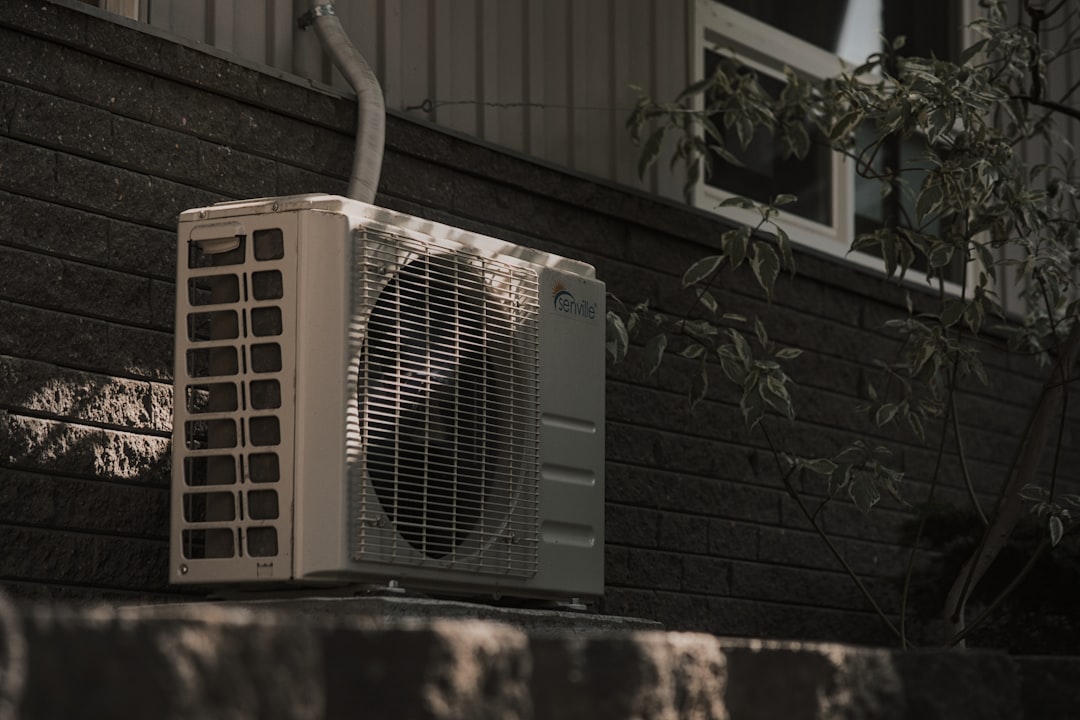 This guide breaks down the real costs and benefits of each system so you can make an informed choice for your climate, home size, and budget.
Understanding Central AC and Mini-Split Systems
How Central AC Works
A central air conditioning system circulates cool air through a network of ducts that run through your home’s walls, ceilings, and attic. The system consists of an outdoor condenser unit (the large box in your yard), an indoor evaporator coil (usually mounted in your furnace or air handler), and a refrigerant loop connecting them.
When you set your thermostat, the system pulls warm air from your home through return vents, cools it across the evaporator coil, and pushes it back through supply ducts. Central AC can cool your entire home simultaneously and maintains consistent temperatures across all rooms.
How Mini-Split Systems Work
A ductless mini-split system bypasses ducts entirely. It consists of one or more wall-mounted indoor units (about the size of a shallow box), connected via refrigerant lines to an outdoor condenser unit. Each indoor unit cools the room or zone it’s installed in independently.
Unlike central AC, mini-split systems allow you to cool different rooms to different temperatures. If your home has multiple zones, you can heat one bedroom to 68 degrees while keeping the living room at 72 degrees - each space uses energy only as needed.
Installation and Operating Costs
Initial Installation Cost: Central AC vs. Mini-Split
Central AC installation: $3,500–$7,500 total (unit + ductwork)
- New air conditioning unit: $1,500–$3,500
- Ductwork installation or replacement: $2,000–$4,000+
- Labor and permits: $500–$1,500
If your home already has ductwork, installing a new central AC unit costs $2,500–$4,000. Installing ductwork in a ductless home (like an older house or a ranch with baseboard heating) can double or triple the total cost.
Mini-split installation: $2,500–$6,500 total (all-in)
- Ductless system (outdoor unit + 1-3 indoor units): $1,500–$4,000
- Refrigerant line and electrical work: $800–$2,000
- Labor and permits: $400–$1,000
Mini-splits are cheaper to install than central AC if your home lacks ductwork, because you avoid the expense of running ducts through walls and ceilings. However, if you already have ducts, central AC becomes more affordable. A popular option is the Daikin Mini-Split 18,000 BTU Hyper-heating Heat Pump, which provides both cooling and heating in one system.
Operating Costs and Energy Efficiency
Central AC efficiency:
- SEER2 ratings typically range from 13–16 for modern units
- Air loss in ducts: 5–15% of cooled air escapes before reaching intended rooms (often more in older or leaky ductwork)
- Operating cost: $40–$60 per month during peak summer months
Mini-split efficiency:
- SEER2 ratings typically range from 15–22 for modern units (significantly higher than central AC)
- Minimal air loss: Cooling is delivered directly into the room with no ductwork losses
- Operating cost: $25–$45 per month during peak summer months, though this varies based on zoning
Mini-splits are inherently more efficient because they eliminate ductwork losses and allow zone-based cooling - you don’t cool unoccupied rooms. For a homeowner in a three-story home who uses only two rooms during the day, a mini-split can reduce cooling costs by 30–40% compared to central AC cooling the entire home.
However, central AC costs less to run in smaller, single-story homes where ductwork is short and well-sealed, or in homes where every room is used regularly. For detailed efficiency standards, see the ENERGY STAR air conditioning specification guide.
Comparing System Performance
Cooling Capacity and Speed
Central AC:
- Cools the entire home to a uniform temperature
- Cooling time: 15–30 minutes to reach set point in a typical home
- Works well in open floor plans where one thermostat can manage all rooms
Mini-split:
- Cools individual rooms or zones independently
- Cooling time: 5–10 minutes per zone (very fast)
- Suited for homes with closed doors, separate bedrooms, and varied comfort needs
If you want rapid cooling in one or two rooms while ignoring the rest, mini-split wins. If you want even, whole-home cooling without hot spots, central AC is more consistent.
Noise and Aesthetics
Central AC noise levels:
- Outdoor condenser: 75–85 decibels (similar to a loud vacuum)
- Indoor ducts: whisper-quiet air movement
- Hidden components: ductwork runs inside walls; you only see vents and the outdoor box
Mini-split noise levels:
- Outdoor condenser: 70–75 decibels (slightly quieter than central AC)
- Indoor units: 20–32 decibels (very quiet, similar to a whisper or library ambiance)
- Visible components: wall-mounted indoor units are visible and can appear bulky in living spaces
For noise-sensitive homeowners, mini-splits are quieter during operation. However, the wall-mounted indoor units are visible and may not fit modern interior design aesthetics. Central AC components are hidden, leaving no visible cooling equipment inside the home - only return and supply vents.
Maintenance and Repairs
Central AC:
- Replace air filter every 1–3 months: $15–$50
- Professional tune-up every fall: $100–$150
- Sealed refrigerant system: repairs require a licensed technician
- Ductwork can accumulate dust and mold - have ducts cleaned every 5–7 years: $300–$600
Mini-split:
- Wash indoor unit filter monthly: $0–$20 per filter
- Professional maintenance: $150–$300 annually (more units = higher cost)
- Same refrigerant servicing requirements as central AC
- No ductwork to clean - units stay cleaner longer
Mini-splits require more frequent filter maintenance (monthly vs. quarterly) but eliminate the need for duct cleaning. If you have allergies or asthma, cleaner air from a dust-free mini-split system may outweigh the higher maintenance schedule.
Zoning and Individual Temperature Control
Central AC:
- Single thermostat controls all rooms
- All rooms cool to the same temperature
- Zoning upgrades (dampered ducts with multiple thermostats) cost $1,500–$3,000 extra
Mini-split:
- Each room has its own wall-mounted unit with independent temperature control
- Zoning is built in - no extra cost
- Up to 8 zones in a single system
For homes with varied comfort needs - some people prefer 68 degrees, others 74—mini-splits eliminate thermostat conflicts. Families with teenagers and toddlers, or homes where someone works nights and sleeps during the day, benefit enormously from independent zone control.
Lifespan and Replacement
Central AC:
- System lifespan: 15–20 years
- Replacement cost: $4,000–$8,000 (unit + installation)
Mini-split:
- System lifespan: 15–20 years (same as central AC)
- Replacement cost: $3,000–$7,000 (depends on number of indoor units)
Both systems last equally long. The LG LS180HSV 18,000 BTU Smart WiFi Mini-Split System offers advanced smart control and is a popular choice for homeowners prioritizing automation. For additional information on HVAC efficiency standards and cold-climate performance, consult the Air Conditioning Contractors of America (ACCA) technical guidelines.
Which System Is Right for You?
Choose central AC if:
- Your home already has ductwork in good condition
- You want uniform cooling across all rooms
- You plan to stay in your home long-term and want low upfront costs
- You prefer hidden cooling equipment with no indoor units visible
- Every room is regularly used and heated to the same temperature
Choose a mini-split if:
- Your home lacks ductwork (older homes, ranch styles, ductless heating)
- You want independent temperature control in different zones
- You prioritize energy efficiency and lower operating costs
- You’re comfortable with visible wall-mounted indoor units
- You spend most time in a few rooms and want to cool selectively
- You suffer from allergies or respiratory issues and want cleaner air
Hybrid Approaches
Some homeowners combine both systems:
- Install central AC for the main living areas and a mini-split for a bonus room, garage, or upper floor
- Use a mini-split to supplement an aging central AC system while planning full replacement
- Install a ductless system in a new addition where running ducts would be expensive
This hybrid approach lets you weigh the benefits of each system against your specific home layout and budget.
Real-World Cost Comparison
Scenario: 2,000 sq ft home in a hot climate (Phoenix or Houston)
Central AC:
- Installation: $4,500 (existing ductwork)
- Annual operating cost: $1,200 (5 months of cooling, $40/month average)
- 15-year cost: $4,500 + $18,000 = $22,500
Mini-split (2 zones):
- Installation: $4,500
- Annual operating cost: $900 (5 months of cooling, $30/month average due to zoning)
- 15-year cost: $4,500 + $13,500 = $18,000
Over 15 years, mini-split saves $4,500 despite equal installation cost, thanks to superior efficiency and zoning.
Scenario: 1,200 sq ft apartment in a moderate climate (Denver or Seattle)
Central AC (new installation):
- Installation: $5,500
- Annual operating cost: $500 (3 months of cooling)
- 15-year cost: $5,500 + $7,500 = $13,000
Mini-split (1 zone):
- Installation: $3,500
- Annual operating cost: $350 (3 months, but smaller space and excellent efficiency)
- 15-year cost: $3,500 + $5,250 = $8,750
Mini-split saves $4,250 and costs $2,000 less upfront.
Installation, Upgrades, and Troubleshooting
Installation Process: Step-by-Step
Central AC installation timeline:
- Remove old AC unit (if replacing) and prepare ductwork (Days 1-2)
- Install new condenser unit outdoors and connect refrigerant lines (Days 3-4)
- Test, charge refrigerant, and verify proper operation (Day 5)
Total time: 5 working days. You’ll have no cooling for a few days - plan for hot weather.
Mini-split installation timeline:
- Install outdoor unit and run refrigerant lines to indoor locations (Day 1)
- Mount and connect indoor units, run electrical, and test (Day 2)
Total time: 2 working days. Minimal downtime - you’ll have cooling even while one unit is being installed.
Mini-split installation is quicker and less disruptive, while central AC installation is more involved if ducts need replacement.
Common Problems and Troubleshooting
Central AC not cooling effectively:
- Clogged or dirty air filter restricts airflow
- Ductwork leaks or disconnections reduce cooled air delivery
- Thermostat set incorrectly or located in a hot zone
- Refrigerant charge is low (requires professional service)
- Compressor failure (replacement needed)
Mini-split issues:
- One indoor unit fails but others keep running (advantage over central AC - you never lose all cooling)
- Refrigerant line leak reduces capacity
- Frozen evaporator coil due to low refrigerant or restricted airflow
- Electrical connection issues in wall-mounted units
- Remote control malfunction (replace batteries first)
For both systems:
- Schedule professional maintenance before cooling season (fall tune-up prevents summer breakdowns)
- Clean outdoor condenser coils quarterly during cooling season
- Never block outdoor unit airflow with debris or vegetation
- Replace or clean indoor filters regularly
Upgrading from Central AC to Mini-Split (or Vice Versa)
Central AC to mini-split upgrade:
- Cost: $3,500-$6,500 (new mini-split system)
- You can keep the central AC as backup, or remove it to reclaim space
- Recommendation: Remove old central AC to simplify maintenance and avoid confusion about which system to use
Mini-split to central AC upgrade:
- Cost: $4,500-$8,000 (new central AC plus ductwork)
- Only feasible if you’re installing ducts (not cost-effective if ducts already exist)
- Mini-split indoor units can be left in place for zone supplementation or removed entirely
Most homeowners don’t switch between systems - they install one and keep it for 15+ years. If you’re considering a switch, consult an HVAC contractor for a detailed quote specific to your home. In extreme climates, mini-splits excel in cold regions (with cold-climate heat pumps rated to -15 F or lower), while central AC with gas furnaces remains standard in very cold areas. In hot climates like Phoenix or Miami, mini-splits maximize efficiency by eliminating ductwork losses and enabling selective zone cooling.
Frequently Asked Questions
Q: Can I install a mini-split myself to save money? A: No. Mini-split installation requires refrigerant handling, electrical work, and line set creation. These require EPA certification and professional licensing in most states. DIY installation will void manufacturer warranties and may violate local building codes.
Q: Do mini-splits work in cold climates? A: Modern mini-split heat pumps (like the Daikin mentioned above) work effectively in temperatures down to -15 degrees Fahrenheit. Cold-climate models are rated for temperatures far below what most people experience. If you live in a true arctic climate, central AC with a gas furnace may still be more practical, but mini-split heat pumps are increasingly viable everywhere.
Q: How much louder is central AC than a mini-split? A: The outdoor condensers are comparable (75–85 decibels for both). The difference is inside: central AC delivers cool air silently through ducts, while mini-split indoor units produce 20–32 decibels (a quiet whisper). For noise-sensitive sleepers, mini-splits are noticeably quieter indoors.
Q: Can I use a mini-split with my existing furnace? A: Yes. Many homeowners install a mini-split for cooling and keep their gas furnace for heating. The systems operate independently. This approach adds upfront cost but allows a gradual transition away from gas heating.
Q: What happens if a mini-split indoor unit fails? A: If one indoor unit fails, the others keep running and the failed room loses cooling. This is actually an advantage over central AC - if the central unit fails, your entire home loses cooling. Mini-split redundancy means you’re never without cooling entirely.
Q: Is a mini-split system quiet enough for a bedroom? A: Yes. At 20–32 decibels, a mini-split runs quieter than most window air conditioners and white noise machines. Most people find them sleep-friendly.
Resources
Frequently Recommended Products
Looking for a high-performance solution? The Midea 18,000 BTU U-Shaped Window Air Conditioner is an excellent alternative for single-room cooling and can serve as a temporary backup during system installation or failure.
Related HVAC Topics and Links
Explore these related guides for more on heating and cooling:
- How to Clean Your Central AC Condenser Unit Step by Step
- AC Not Cooling the House Enough: Causes and Fixes