HVAC Short Cycling: What Causes It and How Homeowners Can Fix It
This post contains affiliate links. As an Amazon Associate, I earn from qualifying purchases at no extra cost to you.
Your air conditioner or furnace turns on and off every few minutes, never running long enough to reach your target temperature. The house doesn’t cool or heat evenly. Your energy bill climbs despite the system working overtime. You’re experiencing HVAC short cycling, one of the most damaging operating patterns your heating and cooling system can fall into.
Short cycling isn’t just annoying. Every startup draws peak electrical load and mechanical stress to the compressor, blower motor, and control boards. Dozens of cycles per day instead of a few accelerate wear, shortening your system’s lifespan by years and wasting electricity without effectively conditioning your home.
The good news: short cycling has identifiable causes, and many fixes are within homeowner capability. A clogged filter, faulty thermostat, refrigerant leak, oversized system, or failed capacitor all trigger short cycling. Solutions range from a $20 filter swap to professional refrigerant service. Understanding what’s triggering the problem is the first step to stopping it.
This guide covers the most common causes, diagnostic steps, DIY fixes you can attempt safely, and when a licensed technician is necessary.
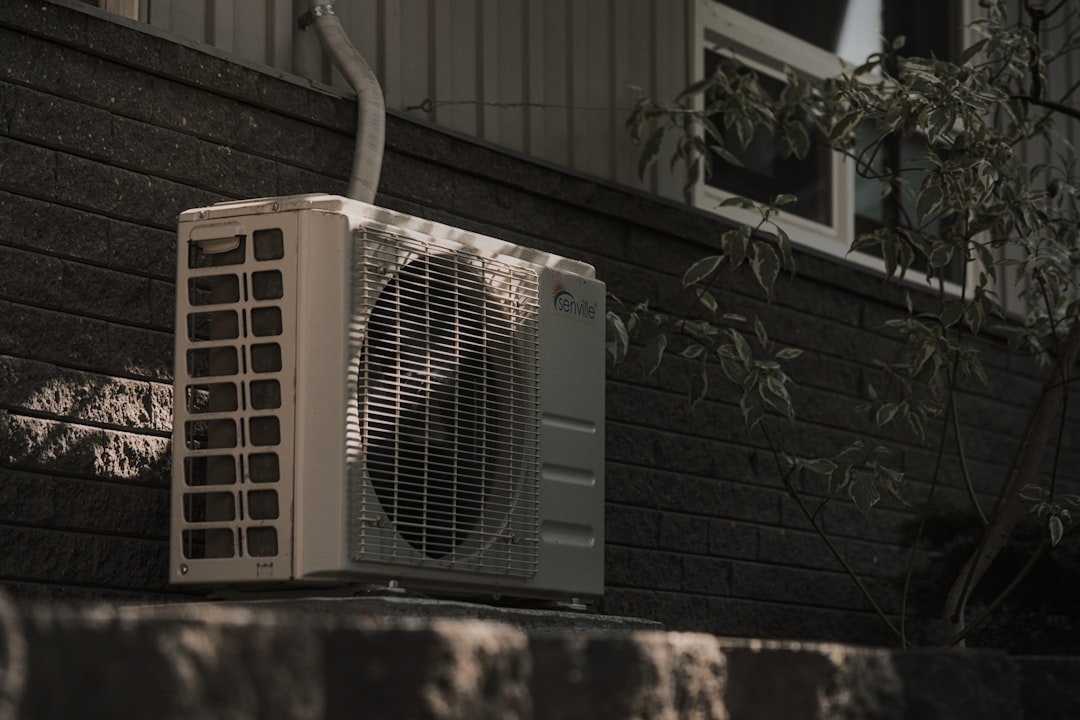
Photo by Everett Pachmann on Unsplash
What Is HVAC Short Cycling?
Short cycling occurs when your heating or cooling system turns on, runs for a brief period (typically 2-10 minutes), reaches setpoint, and shuts off, then repeats the cycle shortly after. In a healthy system, a full heating or cooling cycle runs 15-30 minutes depending on conditions and system size. During this runtime, the system efficiently conditions your home to thermal equilibrium.
With short cycling, the system never reaches equilibrium. Instead, it constantly fires up and shuts down, creating mechanical stress on compressor start-stop cycles, furnace heat exchangers, blower motors, and control boards. From a comfort perspective, your home’s temperature swings more dramatically rather than maintaining steady-state comfort.
Why Short Cycling Damages Your HVAC System
Every startup draws peak electrical current and mechanical load. Normal systems cycle 3-6 times daily during moderate weather; short cycling can cycle 20-40 times daily or more. This exponential multiplication of stress accelerates component failure.
Compressor failure is common in short-cycling air conditioning systems. The compressor - the most expensive component at $800-$1,500 in parts and labor - undergoes bearing wear, refrigerant breakdown, and motor winding degradation. Furnace heat exchangers can crack under rapid heating cycles, requiring $1,500-$2,500+ replacement and creating potential carbon monoxide hazards. Blower motor bearings, capacitors, and control board contactors also fail prematurely.
Electrically, air conditioners consume most energy during startup. A system cycling 30 times daily instead of 5 times uses 40-60% more electricity while providing worse performance. Over a year, this adds $300-$800+ to cooling costs depending on your local electricity rates and climate. Early diagnosis prevents both catastrophic component failure and escalating energy waste.
Top Causes of HVAC Short Cycling
Understanding the root cause is essential because the fix depends on the diagnosis.
Oversized System
If your HVAC system is too large for your home, it heats or cools too quickly, meeting setpoint rapidly before shutting off and restarting when temperature drifts. Oversizing is common in older homes where contractors estimated poorly or when homeowners upgraded cooling without proper load calculations. This requires system replacement, or in some cases, a smart thermostat with adjustable deadband to reduce cycling frequency. Proper sizing uses industry load calculation standards to match capacity to your home’s needs.
Clogged Air Filter
Restricted airflow triggers short cycling by reducing heat transfer through the evaporator coil or furnace heat exchanger. The system overheats or can’t remove heat effectively, shutting off on a thermal limit switch before reaching true setpoint. Filters should be checked monthly and replaced every 1–3 months depending on household dust, pet hair, and pollen. A Filtrete 16x25x1 MERV 11 filter is a commonly available option for residential AC and furnace systems.
Faulty Thermostat
A thermostat reading temperature inaccurately or with a malfunctioning logic circuit signals the system to cycle when it shouldn’t. Thermostats drift in calibration over time or eventually fail. Test accuracy by placing a separate thermometer next to the thermostat and comparing readings after 5 minutes. If they differ by more than 1-2°F, recalibration or replacement is needed. Modern smart thermostats can help manage cycling behavior. The ecobee Smart Thermostat Premium features WiFi connectivity and includes a Smart Sensor.
Low Refrigerant Charge
Air conditioning systems rely on correct refrigerant volume. Low refrigerant, often caused by slow leaks, reduces cooling capacity. The system runs but can’t cool the house, so it cycles on and off as it struggles to reach setpoint. Signs include warm air from the AC, ice on the outdoor unit, or hissing sounds. Low refrigerant requires professional diagnosis and repair because it indicates a leak. See our guide on how to tell if your HVAC needs refrigerant for identification details.
Failed Capacitor
Capacitors store electrical energy to help start the compressor and blower motor. A failed capacitor causes weak starts and repeated startup attempts that fail to reach full capacity, triggering shutdown before the system establishes full operation. Capacitors are sometimes replaceable by confident homeowners, though professional replacement is recommended for safety. A hard-start kit like the SUPCO SPP6 Relay/Capacitor Hard Start Kit can improve starting reliability on aging systems.
Dirty Condenser Coil (AC Systems)
The outdoor unit’s condenser coil releases heat. If clogged with dirt, debris, or vegetation, heat cannot escape, pressure builds, and the system shuts down on high-pressure limit switches before retrying. Regular seasonal cleaning prevents this issue.
How to Diagnose HVAC Short Cycling
Before calling a technician, perform these diagnostic steps to narrow down the cause and provide information that accelerates professional diagnosis:
-
Check the air filter. Remove the filter from your furnace or air handler (typically located in a basement, attic, or utility closet). Hold it to light. If light barely passes through, it’s clogged. Check the MERV rating on the frame and replace with the same rating. This takes 2-3 minutes and costs $10-$25.
-
Verify thermostat accuracy. Place a portable thermometer near (but not touching) the wall thermostat and wait 5 minutes for the reading to stabilize. Compare the reading to the thermostat display. If they differ by more than 2°F, note the direction of error. This helps diagnose whether the thermostat is shutting off too early.
-
Inspect the outdoor AC unit. Walk around your air conditioner’s condenser coil and look for dirt, dead leaves, grass, or debris blocking airflow. Gently spray the coil with a garden hose (never a pressure washer). Allow the system to run 15 minutes and listen for continuous operation. If short cycling continues, proceed to the next step.
-
Observe cycling frequency and duration. Set your thermostat 3-4°F away from the current room temperature to force continuous running. Time how long the system runs before shutting off. Cycles shorter than 5 minutes indicate short cycling. Note whether the system reaches setpoint before shutting off or shuts off early.
-
Check for ice on the AC outdoor unit. During cooling season, inspect the outdoor unit on a warm afternoon. Frost or ice on copper lines or the coil indicates low refrigerant. Contact a licensed technician immediately; do not attempt DIY refrigerant work.
-
Listen for unusual sounds during startup. Stand near the indoor unit during startup. A healthy startup is quiet with smooth blower ramp-up. Clicking or stuttering suggests a capacitor problem. Grinding suggests compressor wear.
DIY Fixes for HVAC Short Cycling
Depending on your diagnosis, several fixes are within homeowner capability.
Replace the air filter. This is the single most common and easily fixed cause of short cycling. Most filters slide into a slide frame with no fasteners. Check the filter size on the old frame and purchase a replacement at any hardware store. Slide the old filter out and the new one in, ensuring the arrow points toward the furnace/air handler. Takes 3 minutes and costs $10-$25.
Adjust thermostat deadband. Some programmable and most smart thermostats allow you to set the deadband, the temperature range before the system cycles. A wider deadband (e.g., setpoint at 72°F with a 2°F deadband) means the system cycles at 70-74°F instead of 71.5-72.5°F, reducing cycling frequency. Consult your thermostat manual to see if this adjustment is available.
Clean the outdoor unit. For air conditioning systems, turn off power to the outdoor unit at the breaker. With the unit de-energized, gently spray the condenser coil with a garden hose from outside working inward, removing leaves and dirt. Restore power and listen for 15 minutes of continuous running. Takes 15-30 minutes.
Replace a failed capacitor (advanced homeowners only). If you’re comfortable with electrical work and have tested a capacitor with a multimeter to confirm failure (a failed capacitor often bulges visibly at the top), you can replace it yourself. Capacitors store electrical charge, so discharge it using an insulated screwdriver across the terminals before touching. Photograph wiring terminals before disconnection. Install the replacement, matching voltage and microfarad (µF) ratings exactly. If uncomfortable with electrical work, call a technician.
Upgrade to a smart thermostat. If your existing thermostat is 10+ years old or reading inaccurately, a modern smart thermostat can help reduce short cycling. The ecobee Smart Thermostat Premium features WiFi connectivity and includes a Smart Sensor.
Do NOT attempt refrigerant recharge. Adding refrigerant requires EPA Section 608 certification, leak detection equipment, recovery equipment, and proper scales. Overfilling or underfilling refrigerant is harmful and doesn’t solve the underlying leak. Call a licensed HVAC technician.
When to Call a Professional
Certain short cycling causes require professional tools and expertise.
Contact a licensed HVAC technician if you suspect low refrigerant, as this requires pressure gauges, nitrogen equipment, and proper recovery procedures. Technicians will pressure-test to locate leaks, repair them, and recharge to manufacturer specifications.
If short cycling continues after you’ve replaced the filter, cleaned the outdoor unit, and confirmed thermostat accuracy, the issue likely involves internal problems requiring professional diagnosis.
If your system is more than 10-12 years old, a professional tune-up can identify capacitor wear, refrigerant drift, or compressor degradation before catastrophic failure occurs. Prevention is far cheaper than emergency replacement.
If you hear grinding, hissing, or see ice on the unit, these indicate serious internal problems requiring immediate professional diagnosis.
⚠️ Safety Warning: If your system is a gas furnace and you suspect issues with flame sensors, heat exchangers, or gas supply problems, do not attempt repairs yourself. Gas appliance problems require professional service to prevent carbon monoxide leaks. Ensure your home has a working CO detector if you have gas-burning appliances.
Common Mistakes Homeowners Make with Short Cycling
Ignoring the air filter. Homeowners assume that if the system is running, the filter must be fine. Clogged filters are invisible without inspection. Many short cycling problems are filter-related, yet homeowners skip this basic check and waste money on service calls. Check your filter monthly and replace when visibly restricted. This one step prevents most filter-related short cycling and extends system life by years.
Turning off the thermostat to let the system rest. Some think shutting off the system periodically prevents short cycling or gives components a break. This doesn’t work. Manual on-off cycling increases startup stress through repeated cold starts. If short cycling occurs, the cause persists whether the system is running or off. Address the root cause instead.
Installing a thermostat without checking compatibility. Not all smart thermostats work with all HVAC systems. Some require a common wire (C-wire) for power, which older systems may lack. Others don’t work with heat pumps or gas furnaces. Installing an incompatible thermostat can cause malfunction. Verify compatibility before purchasing by checking existing thermostat wiring and consulting the new thermostat’s installation guide.
Adding refrigerant without fixing the leak. If a system is low on refrigerant, locate and seal the leak first. Simply adding refrigerant masks the problem temporarily; it leaks out again within weeks, and short cycling resumes. Proper repair requires finding and sealing the leak, then recharging to specification. Only licensed technicians should perform this work.
Misinterpreting oversized systems as unfixable. If your system is oversized, you might assume only replacement helps. However, programmable or smart thermostats with wide deadband settings, or variable-speed compressor upgrades, can mitigate short cycling. Discuss options with a technician before concluding replacement is necessary.
Forgetting to clean the outdoor unit. Many homeowners perform indoor maintenance but neglect the condenser. Dirt buildup reduces heat rejection, triggering pressure switches and short cycling. Seasonal cleaning takes 20 minutes and prevents 30-40% of cooling-season short cycling problems.
Assuming short cycling is normal for old systems. It’s not. Short cycling is a malfunction at any age and indicates a fixable problem. Addressing it early prevents expensive repairs. A 15-year-old system can operate smoothly with proper maintenance.
Frequently Asked Questions
Q: How often should a normal HVAC system cycle on and off?
A normal heating or cooling cycle lasts 15-30 minutes depending on season, outdoor temperature, setpoint, system size, and insulation. During peak cooling, cycles might repeat every 20-25 minutes. During mild weather, 40+ minutes apart. If your system cycles more frequently than every 10 minutes consistently, short cycling is occurring.
Q: Can I prevent short cycling by manually switching my thermostat on and off?
No. Manual on-off cycling adds startup stress and doesn’t address the underlying cause. If short cycling is occurring, the problem persists regardless of manual control. Focus on identifying and fixing the cause - filter, thermostat calibration, refrigerant, capacitor.
Q: Does upgrading my filter to a higher MERV rating solve short cycling?
Only if the existing filter was clogged. Higher MERV filters create more airflow resistance. If your system isn’t designed for it, a MERV 13 filter might worsen restriction. Stick with the MERV rating in your system manual (typically 8-11 for residential systems) and replace regularly.
Q: Is short cycling in heat pumps different from air conditioners?
Heat pump short cycling follows the same causes: oversizing, filter restriction, thermostat issues, low refrigerant. Heat pumps also have a defrost cycle during freezing weather where ice forms on the outdoor coil and the system enters defrost mode. Defrost cycles last 5-10 minutes every 30-45 minutes in cold conditions. Excessive defrost cycling suggests dirty coils or a failed defrost sensor.
Q: Will a smart thermostat eliminate all short cycling?
Smart thermostats reduce short cycling caused by thermostat sensitivity through wider deadbands and anti-cycle algorithms. However, they don’t fix short cycling from refrigerant leaks, oversized systems, failed capacitors, or compressor wear. A smart thermostat solves thermostat-related short cycling but isn’t a universal fix.
HVAC short cycling is fixable. The solution depends on identifying the cause. A clogged filter resolves in 3 minutes for $20. Low refrigerant requires professional repair ($300-$500). Failed capacitors cost $100-$200. Oversized systems are expensive long-term but still solvable.
Start with simple diagnostics: replace the air filter, verify thermostat accuracy, clean the outdoor unit, and observe cycling frequency. These take an hour and might reveal the problem immediately. If short cycling persists, document your observations (cycle frequency, duration, unusual sounds, visual signs) and contact a licensed technician.
Don’t ignore short cycling. The longer it continues, the more your equipment degrades, energy bills climb, and repair costs escalate. Address it now. Bookmark this guide for seasonal reference or share with someone facing the same problem.
Learn more about thermostat upgrades and improving home comfort: