Condensate drain line clogs how to clear them and prevent buildup
This post contains affiliate links. As an Amazon Associate, I earn from qualifying purchases at no extra cost to you.
Why Condensate Drain Lines Matter and Why They Clog
Your air conditioning system removes humidity from your home - essential for comfort and preventing mold in warm climates, as noted by ASHRAE humidity standards. That moisture exits through a small PVC pipe called the condensate drain line, typically routed to a floor drain, exterior drain pan, or terminating outside. When functioning properly, this system goes unnoticed. When it clogs, you face water pooling in your indoor AC unit, potential structural damage to your home, mold growth in ductwork and walls, and a system that shuts down to protect itself. The EPA provides additional guidance on indoor air quality and humidity control to prevent these problems.
Condensate drain lines clog for predictable reasons. These pipes create the ideal breeding ground for microorganisms: dark, wet, and stagnant. As your system runs, dust and debris from return air ducts are drawn into the drainpan, where they accumulate and can block the drain opening. Over time, algae and bacterial slime coat the interior walls, narrowing the passage. The clog develops gradually, starting with slow drainage and progressing to complete blockage. High-humidity climates and homes running AC continuously experience clog formation within weeks, while drier regions might go months without issues. Unlike a furnace that announces problems with noise or odor, a clogged condensate line often goes undetected until water backs into your AC unit’s pan, triggering a safety shutoff or - worse - seeping into drywall and structural framing.
The financial stakes are significant. Ignoring a clogged line can lead to water damage in your ceiling, insulation degradation, and mold remediation costs of $1,000 to $5,000. Your AC system will shut down, forcing uncomfortable days without cooling in summer. The good news is that clearing and preventing clogs requires minimal tools, takes under an hour, and costs less than a single professional service call. This guide walks you through clearing an existing clog and establishing a maintenance routine that prevents recurrence.
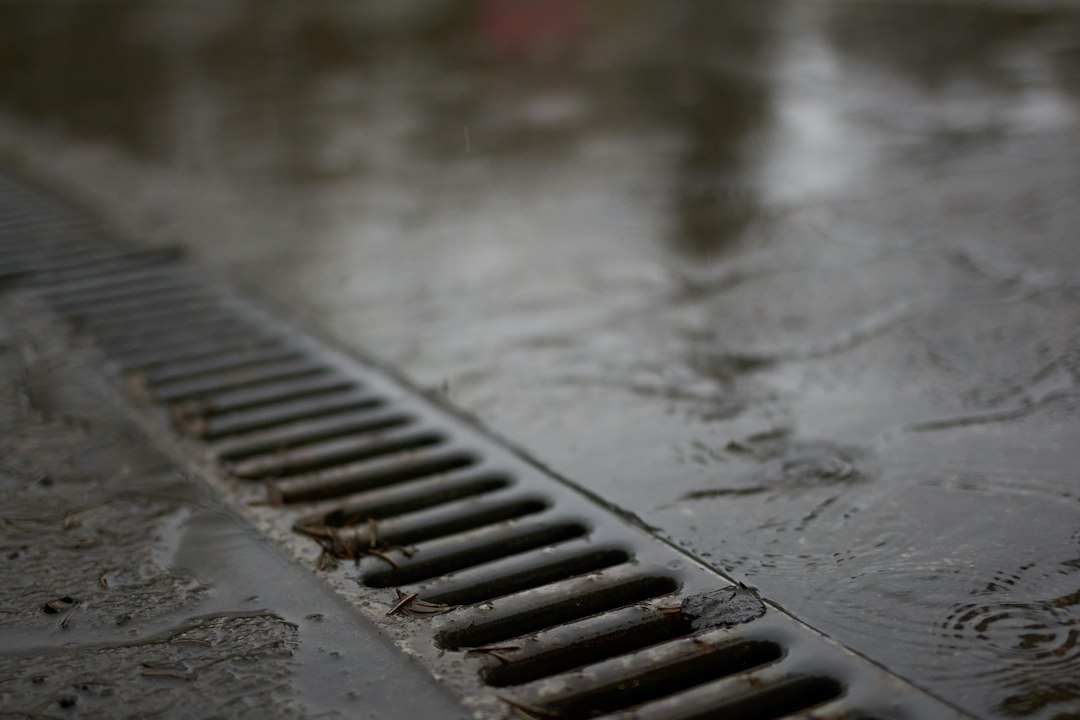
Photo by Ilya Semenov on Unsplash
How to Clear a Clogged Condensate Drain Line
The clearing method depends on your drain line’s routing and your access to it. Most residential systems can be cleared if you can locate the indoor unit or its drainpan. Before starting, understand what to expect: clearing a clog may produce water spray or release stagnant drainage, so work in a location where splashing is manageable.
- Locate Your Condensate Drain Line and Shut Down Your System
Find your indoor AC unit, usually located in an attic, basement, crawlspace, or utility closet. The condensate drainpan sits beneath the unit, and a small PVC pipe exits from it. This pipe has either a clean-out access point (a removable cap or tee fitting) or leads directly outside. Turn off your AC system at the thermostat and at the main breaker if you’ll be doing invasive work inside the line. This prevents water from flowing while you work and stops the blower from blowing debris at you.
- Use a Plunger or Wet Vacuum for Initial Dislodging
If your drain line has an accessible opening, place a plunger over the drain opening and pump vigorously five to ten times. You may see dirty water or debris emerge - this indicates the clog is dislodging. A wet vacuum applied directly to the line opening works even better, using suction to pull out blockages. Plunging and vacuuming work best for newer clogs that haven’t solidified into a hard mass, typically clearing clogs formed within a few weeks.
- Deploy a Drain Wire or Brush for Stubborn Blockages
If plunging doesn’t clear the clog, feed a 1/4-inch flexible drain brush or plumbing wire carefully into the line. Push slowly and steadily, avoiding forceful jamming, which can rupture thin PVC. Rotate and wiggle the wire as you advance to loosen algae and sediment buildup on the pipe walls. Withdraw slowly and repeat if needed until water flows freely. After clearing, flush the line with a gallon of distilled water to confirm drainage and remove loosened debris.
- Flush with Bleach Solution for Persistent Algae and Bacteria
For stubborn algae or bacterial colonies blocking water flow, mix one part bleach to ten parts distilled water. Pour this solution slowly down the drain line opening and let it sit for 30 minutes to kill microorganisms, then flush thoroughly with distilled water until the bleach smell is gone. Bleach kills algae effectively without damaging PVC. Avoid concentrated bleach or acidic drain cleaners marketed for kitchen sinks, as they degrade plastic fittings and aluminum components. Never skip the final distilled water rinse.
Troubleshooting Specific Scenarios
If you encounter resistance when inserting a brush and suspect a hard, lodged clog deep in the line, try this: pour the bleach solution down, wait an hour, then use the wet vacuum again. The chemical treatment softens algae and sediment, making them easier to dislodge. If your drain line has an outdoor termination you can access, work from both ends: clear from inside while someone gently blows compressed air from outside to dislodge the clog toward you. If condensate is backing into your AC unit, use the wet vacuum to extract standing water first, then begin your clearing process.
Prevention: The Most Effective Long-Term Strategy
Prevention stops clogs before they develop, eliminating the need for repeated clearing. Most blockages result from algae growth, sediment from return air, or debris entering the drainpan. A reliable maintenance routine addresses these root causes.
Install Dual Drainage for Upper-Level Units
If your indoor AC unit is in an attic or above living space, local building codes in many jurisdictions require secondary drainage. Install a second drainpan under the unit with its own separate drain line routed to an exterior or basement drain. This secondary system catches water if your primary drain clogs, preventing ceiling damage and protecting your home’s structure. If your current setup lacks secondary drainage and your unit is overhead, this upgrade is inexpensive insurance against water damage costs exceeding $5,000.
Use Enzymatic Drain Maintenance Tablets Monthly During Cooling Season
The HVAC GUYS – Flow Treat Tabs represent the single best preventive investment. Each tablet dissolves slowly in your drainpan, helping prevent odors, keeping the pan clean, and stopping overflow before it starts. Each tablet lasts up to four weeks. At the start of cooling season (typically May), drop one tablet into your AC unit’s drainpan. During heavy cooling months, refresh the tablet every four weeks. The 200-tablet pack provides a generous supply for ongoing maintenance. This one step can help prevent the most common cause of condensate clogs.
Maintain Clean Return Air Filters Every One to Three Months
A dirty return air filter allows dust and debris to be sucked directly into your AC unit’s drainpan. Replace filters every one to three months, depending on your home’s dust load, pet dander, and local air quality. Check filters monthly during heavy cooling seasons. Clean filters improve system efficiency, air quality, and prevent debris from entering the condensate system. Mark your calendar to check filters seasonally so this step becomes automatic.
Inspect Exterior Drain Termination Monthly During Cooling Season
If your condensate line exits through an exterior wall, check the outdoor opening monthly for obstructions. Ensure it’s not covered with dirt, mulch, or blocked by vegetation. Wasps and other insects sometimes nest in these openings, creating blockages. A clear, unrestricted termination means water drains freely. Simply clear any debris with your hand or a soft brush, taking care not to damage the PVC outlet.
Monitor Your Drainpan Weekly and Act on Slow Drainage
During cooling season, check your AC unit’s drainpan weekly. It should be dry or contain only a small amount of water that drains within an hour after cooling stops. If water sits in the pan for more than a few hours, the drain line is slow or blocked. Act immediately by using the wet vacuum method. Slow drainage caught early is easier to clear than a fully blocked line. Standing water allows mold to grow inside the unit and ductwork, contaminating your home’s air.
Common Mistakes That Worsen Condensate Drain Clogs
Well-intentioned homeowners sometimes make decisions that worsen drain problems or cause more expensive damage.
Mistake 1: Using High-Pressure Water or Compressed Air
Blowing compressed air through a condensate line at high pressure can rupture thin PVC piping or dislodge a clog only to re-lodge it further down the line where it’s inaccessible. High-pressure water can crack pipes inside walls or attics, causing hidden water damage. Use only hand-pump plungers or low-pressure wet vacuum methods when clearing clogs yourself.
Mistake 2: Pouring Caustic Drain Cleaners
Chemical drain cleaners designed for kitchen sinks contain harsh acids or alkalis that degrade PVC plastic and aluminum fittings in your AC system. Even diluted drain cleaner softens rubber seals and fittings, causing leaks months later. Stick exclusively to the 1:10 bleach-and-water mixture or enzyme-based cleaners explicitly labeled safe for HVAC systems.
Mistake 3: Ignoring Standing Water in the Drainpan
Water sitting in your AC unit’s drainpan that doesn’t drain within a few hours signals a blocked line. Ignoring it allows mold and mildew to colonize your unit and ductwork, contaminating indoor air and creating health risks. Standing water also means your system may shut down on a high-humidity day when you need cooling most. Treat standing water as a clog indicator requiring immediate attention.
Mistake 4: Assuming a Clog Isn’t the Problem When Your AC Won’t Run
Many homeowners notice their AC won’t start and assume a refrigerant leak, compressor failure, or electrical problem requires an expensive service call. However, many AC systems include a safety float switch in the drainpan that shuts down the unit if water overflows. This protection saves your system from water damage but feels like a failure. Before calling a technician, check for a clogged drain line. Clearing it often restores operation immediately.
Mistake 5: Skipping Secondary Drainage Installation on Upper-Level Units
If your indoor unit sits in an attic or upper floor with only one drain line, a single clog creates ceiling and framing water damage. Most building codes require secondary drainage for exactly this reason. Adding a secondary drainpan and line is inexpensive protection against catastrophic damage.
Mistake 6: Using Vinegar as a Regular Drain Cleaner
Vinegar’s acidity can corrode aluminum components in some HVAC units over extended use. While dilute vinegar is gentler than harsh drain cleaners, it’s not appropriate for regular HVAC maintenance. Use the 1:10 bleach-and-water solution or enzyme-based HVAC cleaners. Enzyme cleaners safely break down organic matter without harming any system materials.
Tools and Products for Condensate Drain Maintenance
A complete maintenance toolkit requires minimal investment and makes regular upkeep simple.
Flow Treat Tabs (Essential)
The HVAC GUYS – Flow Treat Tabs are the single best preventive product you can install. These tablets dissolve in your drainpan over four weeks, helping prevent odors and keeping the pan clean. They help stop overflow and support consistent system performance between service visits. A 200-tablet pack gives you a generous supply for ongoing maintenance and should be in every homeowner’s HVAC maintenance kit.
Wet Vacuum (Highly Recommended)
A basic wet vacuum is invaluable for clearing initial clogs without touching the line. If you don’t own one, a wet-dry vacuum ($30-$50) is a worthwhile investment for both HVAC and general home maintenance. If you lack a wet vacuum, a handheld plunger designed specifically for drains works adequately for minor blockages.
Drain Brush or Plumbing Wire (Required)
A flexible drain brush or 1/4-inch plumbing wire from any hardware store ($5-$15) feeds into clogged lines to dislodge stubborn blockages. This tool is essential if plunging alone doesn’t clear the clog.
Distilled Water (Required)
Use only distilled water for flushing (about $3 per gallon). Tap water mineral content can contribute to future buildup. After clearing a clog or applying bleach, flush with distilled water to ensure complete drainage.
Condensate Pump (Situational)
The 290 Series 1-1/2 in. 115V Cast Iron Pump lifts condensate water from lower locations to a drain line running uphill to your exterior outlet. Pumps are necessary only in basements where gravity drainage is impossible or when your drain line slopes upward after leaving the unit. For most homes, gravity drainage works reliably. Install a pump only if your drain line rises after exiting the indoor unit or if standing water recurs despite regular maintenance.
Your complete starter toolkit - bleach, distilled water, plunger, wire, and wet vacuum - costs under $75. Adding monthly Flow Treat Tabs brings total annual cost to roughly $30-$40 for maintenance that prevents thousands in water damage.
Frequently Asked Questions
How often should I clean my condensate drain line?
During cooling season (typically May through September), check your drainpan weekly for standing water. If using Flow Treat Tabs, refresh one every four weeks, which prevents the need for manual cleaning in most cases. Without preventive tablets, plan on manually clearing the line every four to eight weeks or whenever you notice slow drainage. In high-humidity climates or homes where AC runs continuously, monthly inspection is reasonable. Catch slow drainage before complete backup occurs. If you’re clearing clogs more than twice per season despite preventive efforts, you may have a deeper issue - such as a kinked line or drain termination obstruction - warranting professional inspection.
What if my condensate line outlet is frozen in winter?
In cold climates, water in a condensate line exiting through an exterior wall can freeze and clog the line. This is less common than summer algae clogs but possible if your heating system operates with high indoor humidity or includes an active humidifier. Prevent freeze clogs by angling the outdoor termination slightly downward and insulating the line where it exits. In very cold climates, routing the condensate line to an interior drain (like a basement floor drain) is safer than routing outside, where freeze-thaw cycles crack PVC. If your line freezes, warm the outdoor section gently with a heat gun - never a torch - to melt the ice.
Do I need to hire a professional to clear my condensate line?
Most clogs can be cleared with home methods: plunging, wet vacuuming, and hand-feeding a drain brush. Professional clearing using motorized drain machines typically costs $150 to $300. Hire a professional if the line is routed through a wall with inaccessible outdoor termination, or if your clog is deep and home methods don’t clear it after two attempts. However, if you install preventive Flow Treat Tabs monthly and check your pan regularly, professional cleaning becomes unnecessary. Prevention is far cheaper and less disruptive than reactive professional service.
Can I use a plumbing snake to clear the line?
A standard plumbing snake is overkill and potentially damaging. Condensate lines are short (typically under 30 feet) and narrow (3/4-inch diameter). A flexible drain brush or 1/4-inch wire is sufficient and safer for thin PVC. A motorized snake forced into the line can rupture the pipe. Save the snake rental for larger drain lines like your kitchen sink.
What causes that smell coming from my condensate line?
Stagnant water in the line combined with algae and bacterial growth produces an odor ranging from musty to sour. This smell indicates active microbial colonies in your drain. Clean the line using the bleach-water method, then install preventive Flow Treat Tabs to stop smell-causing organisms. Monthly tabs eliminate the smell by preventing bacterial growth. If smell returns quickly after cleaning, you likely have slow drainage allowing water to stagnate - clear the line again and check for obstructions.
When to Call a Professional
A clogged condensate drain line is a maintenance issue, not a system failure. Once you’ve cleared the clog and confirmed that water drains freely from the pan, your system resumes normal operation. Going forward, install preventive tablets monthly during cooling season and check your drainpan every two to four weeks.
Contact an HVAC technician if: (1) you cannot safely locate or access your drain line, (2) water is actively leaking into your living space and you don’t know the source, (3) the clog returns within two weeks despite clearing and adding preventive Flow Treat Tabs (suggesting a structural issue like a kinked line), (4) your system includes a float switch that keeps triggering shutdowns even after clearing, or (5) your drain line is routed through your home’s structure in a location you cannot safely access.
Professionals possess motorized drain cleaning equipment that clears deep, stubborn blockages in minutes. They can also inspect for underlying problems: kinked or deteriorating pipe, improper slope, or misaligned fittings. Most techs can diagnose and repair these issues during a single visit, costing $200-$400. For straightforward clogs in accessible drain lines, you have the knowledge and tools to handle it yourself and save that cost.
Proper condensate drain line maintenance is one of the highest-return DIY HVAC tasks. It’s low-cost, straightforward, prevents expensive water damage, and keeps your system running when you need cooling most. Add it to your seasonal maintenance checklist alongside filter changes and thermostat checks.
Related Reading
For broader HVAC maintenance strategies, see How To Extend The Life Of Your Hvac System and AC Not Cooling Enough Causes And Fixes.
If you found this helpful, subscribe to stay updated on HVAC maintenance and troubleshooting tips.