Furnace pilot light troubleshooting and relighting guide
This post contains affiliate links. As an Amazon Associate, I earn from qualifying purchases at no extra cost to you.
Your furnace pilot light has gone out, and your heating system won’t start. Before you panic or call a technician, know this: relighting a furnace pilot light is often something you can do yourself. The process takes less than five minutes and costs nothing if you’re simply relighting rather than replacing parts. That said, furnace work involves natural gas, which demands respect and caution. This guide walks you through diagnosis, safe relighting, common reasons pilots fail, and crucially, when the job crosses from DIY to professional territory.
A furnace pilot light is a small, continuously burning flame that ignites the main burners when your thermostat calls for heat. Modern furnaces may use electronic ignition instead, but if your furnace has a standing pilot, understanding how it works and what can go wrong will save you money and prevent frustration. Many homeowners panic at the thought of touching anything inside their furnace. The reality is simpler: the pilot light is accessible, the relighting procedure is documented in your furnace manual, and most failures stem from easily identifiable problems like a dirty orifice, a failing thermocouple, or a blocked gas supply.
This guide is built from manufacturer documentation, safety standards, and professional HVAC experience. Use it to restore your heat and gain confidence in basic troubleshooting. Then decide whether repairs stay within your comfort zone or require professional help.
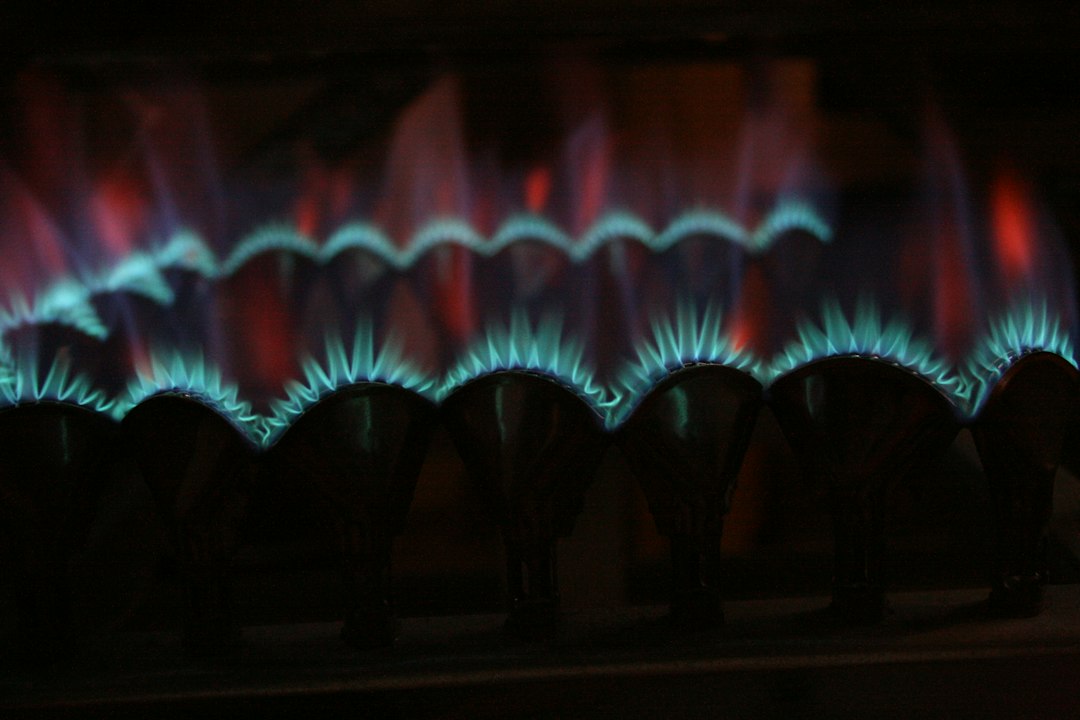
Photo by Peter Fly on Unsplash
Understanding Your Furnace Pilot Light
The pilot light is a small gas flame that burns continuously at your furnace burner assembly. Its primary job is to detect when the thermostat calls for heat, then ignite the main burners. A thermocouple, a heat-sensitive metal tube positioned next to the pilot, generates a small electrical signal that tells the gas valve to stay open and allow fuel to flow to the main burners. Without this signal, the valve closes and gas stops flowing.
Most modern furnaces made in the last 15-20 years use electronic ignition instead of a standing pilot light, which is safer and more efficient. But millions of older furnaces still rely on pilots, and they remain standard in many water heaters and boilers. If your furnace still has one, you should understand how it works.
The pilot flame itself is tiny, roughly the size of a ballpoint pen tip. It burns at the end of a small tube connected to your main gas supply. The thermocouple sits just inside the flame path, where heat keeps it warm enough to generate the voltage needed to hold the gas valve open. When the pilot goes out, the thermocouple cools, voltage drops, the valve closes, and gas stops flowing to the burners. A properly functioning pilot light burns blue with perhaps a tiny yellow tip. If you see mostly yellow or orange flame, or if it keeps going out, something is wrong. According to the National Fire Protection Association, properly maintained furnace pilot lights are critical to safe, efficient furnace operation.
Why Your Furnace Pilot Light Goes Out
Furnace pilot lights fail for a handful of predictable reasons, and knowing which symptom points to which problem tells you whether this is a five-minute fix or a call to a technician.
Thermocouple failure is the most common cause. The thermocouple is a small metal tube that sits in the flame and generates voltage to hold the gas valve open. When it fails, typically after 10-20 years of continuous operation, it can’t generate enough signal, so the pilot lights but won’t stay lit. You’ll see the flame briefly, then it shuts off immediately. This is the single most likely reason your pilot went out.
Dirty pilot orifice is the second most common culprit. The orifice is the tiny opening where gas flows to the pilot light. Dust, corrosion, or debris can clog it, restricting gas flow. The pilot may light weakly or flicker out repeatedly. Cleaning the orifice with a fine needle or compressed air often solves this entirely.
Weak gas pressure from either the supply line or the gas valve can prevent the pilot from staying lit. This is less common in homes with adequate gas infrastructure, but it’s possible if a supply valve is partially closed, a regulator is failing, or a line restriction exists.
Drafts around the furnace can blow out a pilot light, especially in older furnaces or furnace rooms with open doors and windows. If drafts are the culprit, the pilot will relight easily once you eliminate the air movement. Pay attention to return air ducts, exterior walls, and open windows.
Damaged or bent thermocouple can fail to position correctly in the flame, preventing adequate heat generation for voltage production. Physical damage from handling, vibration during installation, or corrosion can bend the tube permanently.
Water or moisture in the gas line is rare in homes with proper gas infrastructure, but it can occur if a new furnace was installed with line impurities or if water has condensed in old piping. This produces a weak or discolored pilot flame.
The pilot light may also fail because the furnace itself has activated a safety lockout. Many modern furnaces have limit controls that shut down the burner if the furnace overheats, or pressure switches that activate if there’s a blockage in the flue. If a lockout is active, the pilot light won’t ignite at all.
How to Relight Your Furnace Pilot Light
Before you start, locate your furnace manual. Most furnaces have relighting instructions printed on the unit itself or included in the manual. Follow your specific furnace’s procedure, as details vary by manufacturer and model. This section covers the general process used by most furnaces with standing pilot lights.
Safety first: Verify your carbon monoxide detector is working and positioned in a hallway near sleeping areas. If you smell gas at any point, stop immediately. Do not attempt to relight the pilot. Natural gas is odorless, so utility companies add a rotten-egg smell. If you detect it, leave the house and call your gas company’s emergency line from outside. Gas leaks are deadly.
Follow these steps in order:
-
Locate the pilot light assembly and gas control knob
Open the furnace access panel or burner cover. Inside, you’ll find the pilot light tube (a small copper or steel tube), the thermocouple (a slightly larger tube running parallel to it), and the gas control knob on the side of the valve. The control knob typically has three positions: OFF, PILOT, and ON. Some furnaces use different labels; consult your manual for your specific terminology.
-
Turn the gas control knob to OFF
Wait five full minutes. This purges residual gas from the pilot area, preventing dangerous buildup if the pilot doesn’t light on the first attempt. Some people skip this step, but the five-minute wait is a safety best practice and prevents unsafe gas accumulation.
-
Turn the gas control knob to PILOT
Keep it there. You will need to hold down a button (usually built into the knob) while you light the pilot. This button sends gas to the pilot while you ignite it. Have your lighter or match ready.
-
Light the pilot with a long-reach lighter or match
Hold the flame to the pilot orifice opening (the small hole at the end of the pilot tube) while holding the control knob button down. The pilot should ignite with a small blue flame. Keep holding the knob button down for 15-30 seconds after ignition. This allows the thermocouple to heat up and generate enough voltage to signal the valve that heat is available.
-
Release the control knob and listen
When you release the button, the pilot should stay lit. If it goes out immediately, the thermocouple is likely failing or not positioned correctly. Wait five minutes and try again, holding the button down longer (up to 45 seconds). If it goes out a second time, the thermocouple probably needs replacement.
-
Turn the gas control knob to ON
Once the pilot is holding steady, turn the knob to the ON position. Your thermostat should now be able to call for heat. When it does, you should hear the main burner ignite with a louder roar than the tiny pilot light. Your furnace will begin heating your home.
-
Check your flame color and position
The pilot flame should be mostly blue with a tiny yellow tip. If it’s mostly yellow or orange, the orifice may be dirty or there may be moisture in the gas line. A weak or discolored flame may fail to heat the thermocouple adequately, causing the pilot to fail again shortly. If relighting solved your heat problem and the flame looks right, you’re done. If the pilot goes out again within hours or the flame looks wrong, move to the troubleshooting section.
When to Replace Rather Than Relight Furnace Pilot Components
Sometimes relighting is only temporary. Knowing when components are due for replacement prevents repeated failures and frustration.
The thermocouple is the part most likely to need replacement. If your furnace is older than 15 years and the pilot goes out, or if it lights but won’t hold steady, the thermocouple is a worthwhile investment. The White-Rodgers Universal Thermocouple, 72 inch, H06E-72 is a universal option to consider; confirm it suits your furnace before ordering. Installation involves unscrewing the old one from the gas valve and screwing in the new one. If you’re handy with a wrench, this is manageable. If you’re uncomfortable, a technician can install it quickly.
Pilot burner assemblies sometimes need replacement if the orifice is corroded beyond cleaning. The Urnqowuy Q314A4586 Pilot Burner with Thermocouple Assembly Fit for Honeywell, for Gas Furnaces Boilers and Water Heaters, Natural Gas and Propane Pilot Burner is a pilot burner and thermocouple assembly. This is useful if you want to replace the entire unit at once and avoid troubleshooting individual parts.
Electronic ignition kits are worth considering if your thermocouple fails repeatedly or you’re tired of the unreliability of a standing pilot. The Supco Camstat Furnace Pilot Re lite Igniter Kit PR2412036W is a furnace pilot relite igniter kit. This is more involved than swapping a thermocouple, so check that it suits your furnace and consider having a technician install it.
Use this simple decision tree: Pilot goes out and won’t relight = thermocouple or orifice blockage. Pilot stays lit but furnace won’t heat = limit switch or gas valve issue (call a pro). Pilot flame is very weak or mostly yellow = dirty orifice or moisture; try cleaning first. Pilot goes out frequently after relighting = thermocouple is aging and needs replacement.
Troubleshooting Common Furnace Pilot Light Problems
Even when you follow the relighting steps correctly, problems can persist. This section covers the most common scenarios and what to try before calling a technician.
Pilot lights but won’t stay lit. This is almost always a thermocouple issue. The thermocouple isn’t generating enough voltage to hold the gas valve open, or it’s not positioned correctly in the flame. Try relighting again, but this time hold the control knob down for a full 30-45 seconds after ignition to ensure the thermocouple heats thoroughly. If it still goes out within seconds of releasing the button, the thermocouple is likely failing. Replacement costs under $60 for the part and takes 15 minutes if you do it yourself. If you’ve replaced the thermocouple and the pilot still won’t hold, the gas valve itself may be failing, which requires professional service.
Pilot flame is yellow or orange. This indicates incomplete combustion, usually caused by a dirty pilot orifice or moisture in the gas line. Turn off the furnace and let it sit for a few minutes to cool. Locate the pilot orifice (the small hole in the pilot tube). Using a fine needle or thin wire, gently probe the opening to dislodge any debris. Do not force it or enlarge the hole. Alternatively, use compressed air to blow through the orifice from the side. Relight the pilot. If the flame is now blue, you’ve solved it. If the flame is still discolored, the issue may be moisture in the gas line from your supply. This is rare but possible after new installation. A technician can flush the line or check for condensation.
Pilot won’t light at all. No ignition attempt means either gas isn’t reaching the pilot tube or you need to hold the button longer. First, verify the gas supply is actually on. Check the shutoff valve on the gas meter or supply line; it should be parallel to the pipe, not perpendicular. If the valve is closed, turn it parallel to the pipe and wait a minute for gas to reach the furnace. If the valve is already open, the issue is inside the furnace. The pilot orifice may be completely blocked. Attempt the cleaning procedure described above. If gas still won’t flow to the pilot and you’ve confirmed the supply is on, the gas valve is stuck or failed. This requires professional repair.
Thermostat calls for heat but burner doesn’t ignite. The pilot is lit, but the main burners aren’t firing. This usually means the furnace’s limit switch or temperature sensor has triggered a safety shutdown. Check the furnace for visible blockages in the flue pipe (the exhaust duct). If the flue is clear, there may be a pressure switch issue or the limit control may need resetting. Some furnaces have a manual reset button on the limit control itself. Consult your manual. If the flue is blocked, clear it and try again. If the problem persists, call a technician; this is typically not a DIY repair.
Pilot light keeps going out within hours. If the pilot is stable when you first light it but dies later, drafts are the likely cause. Furnace rooms with open windows, exterior doors, or return air ducts nearby can pull air across the pilot light and extinguish it. Close doors and windows during heating season. If drafts aren’t the issue, the thermocouple may be aging and failing intermittently. Replacement will likely be permanent and is the next step.
You smell gas inside the furnace. Do not attempt further diagnosis. Turn off the gas supply at the meter immediately (turn the shutoff valve perpendicular to the pipe) and call your gas utility or a licensed technician. Gas leaks are dangerous and require professional response.
Safety Considerations When Working on Your Furnace
Carbon monoxide risk. Furnaces produce carbon monoxide as a byproduct of combustion. A properly functioning furnace vents this safely outside through the flue pipe. Never block or disconnect the flue while the furnace is operating. If your furnace or chimney is damaged or improperly installed, CO can back up into your home. Install a battery-powered carbon monoxide detector in your bedroom or hallway. The U.S. Department of Energy recommends monthly detector testing. If your detector alarms, open windows, leave the house, and call the fire department. Do not re-enter until a professional confirms it’s safe.
Gas leaks. Natural gas is odorless. Utility companies add a rotten-egg-like smell so you can detect leaks. If you smell this inside your furnace area or anywhere in your home, never use lighters or matches to check. Do not flip light switches. Leave the house and call your gas company’s emergency line from outside. Gas leaks are deadly and require immediate professional response.
Know your limits. Relighting a pilot is safe and within reach for most homeowners. Replacing a thermocouple is reasonable if you’re comfortable with a screwdriver and fine motor control. Anything beyond that, including replacing the gas valve, fixing blockages in the flue, or working inside the furnace cabinet, should be left to a licensed HVAC technician. A furnace repair costs $150-400, but improper work could result in gas leaks or carbon monoxide risk.
Call a professional if:
- The pilot won’t stay lit after you’ve replaced the thermocouple
- The main burner won’t ignite even though the pilot is lit
- You smell gas anywhere near your furnace
- The flue pipe is blocked or visibly damaged
- You’re unsure about any step in the relighting process
- Your furnace is under warranty and you want to avoid voiding it
Frequently Asked Questions About Furnace Pilot Lights
Q: How often should a furnace pilot light go out?
A: It shouldn’t go out at all in a properly functioning furnace. If your pilot is going out regularly, more than once a year, something is wrong. Investigate the cause: it could be a dying thermocouple (most likely), a dirty orifice, or a draft issue. Address the problem before winter. A furnace pilot light is designed to burn continuously, 24/7, throughout the heating season. Unreliability is a sign of aging components or an environmental problem. Ignoring it won’t make it better; instead, you’ll lose heat during cold weather when you need it most.
Q: Is a standing pilot light wasteful?
A: Yes, compared to electronic ignition. A pilot light burns gas continuously, consuming roughly 600-900 BTUs per hour even when heat isn’t needed. Over a full heating season, this can add $20-50 to your gas bill. If your furnace has an aging pilot light that keeps failing, converting to electronic ignition or replacing the furnace with a modern system could save money in the long run. However, conversion costs $300-600, so the payback period may be longer than the remaining life of your furnace. If your furnace is otherwise reliable, you might wait until replacement is necessary anyway.
Q: Can I light the pilot with a match instead of a lighter?
A: Yes, but a long-reach lighter is safer and easier. A match can work, but your hand gets closer to the flame, and you have less control. A long-reach barbecue lighter gives you better reach and visibility. Either way, be careful not to touch the thermocouple or other components with the flame. Keep your movements deliberate and slow.
Conclusion
A furnace pilot light that won’t stay lit is usually fixable without professional help. In most cases, the issue is a thermocouple at the end of its lifespan, a dirty orifice, or a draft in your furnace room. Relighting the pilot takes five minutes, and if that doesn’t work, identifying the underlying cause is straightforward through the troubleshooting steps above.
The key is staying calm and safe. Natural gas demands respect, but it’s not mysterious. If you understand how the pilot light works, what can go wrong, and when to call for backup, you can handle basic troubleshooting with confidence. When in doubt, call a technician. A service call costs far less than damage from improper repairs or a gas leak.
Your furnace manual is your best resource. Consult it before you start and follow its specific instructions for your model. Armed with that guidance and this troubleshooting framework, you’re ready to restore your heat and extend the life of your furnace.
Bookmark this guide and How To Clean A Furnace Flame Sensor Safely for seasonal furnace maintenance.
Related reading: