Understanding hvac system splits single stage vs two stage vs variable capacity
This post contains affiliate links. As an Amazon Associate, I earn from qualifying purchases at no extra cost to you.
Most homeowners shopping for a new central system hear the same pitch: more stages means more comfort. That is partly true. It is also how buyers end up paying thousands extra for a feature their house cannot fully use. The real difference between single stage, two stage, and variable capacity equipment is how closely the system can match its output to the heating or cooling your home needs at that moment. A mild October afternoon and a 100-degree August evening are very different loads, yet a basic single stage system treats them identically.
The position here is simple. For most homes with decent ductwork, a two stage system is the best value. Variable capacity earns its premium in hot-humid climates, in homes with chronic comfort complaints, and in houses where the ducts can handle sustained low-speed airflow. Single stage still makes sense for tight budgets, rentals, and small, well-insulated homes where purchase price matters more than fine control.
Below you will find how each type works, where the comfort and humidity gains come from, what the extra cost buys, and which inexpensive tools help you verify the results after installation.
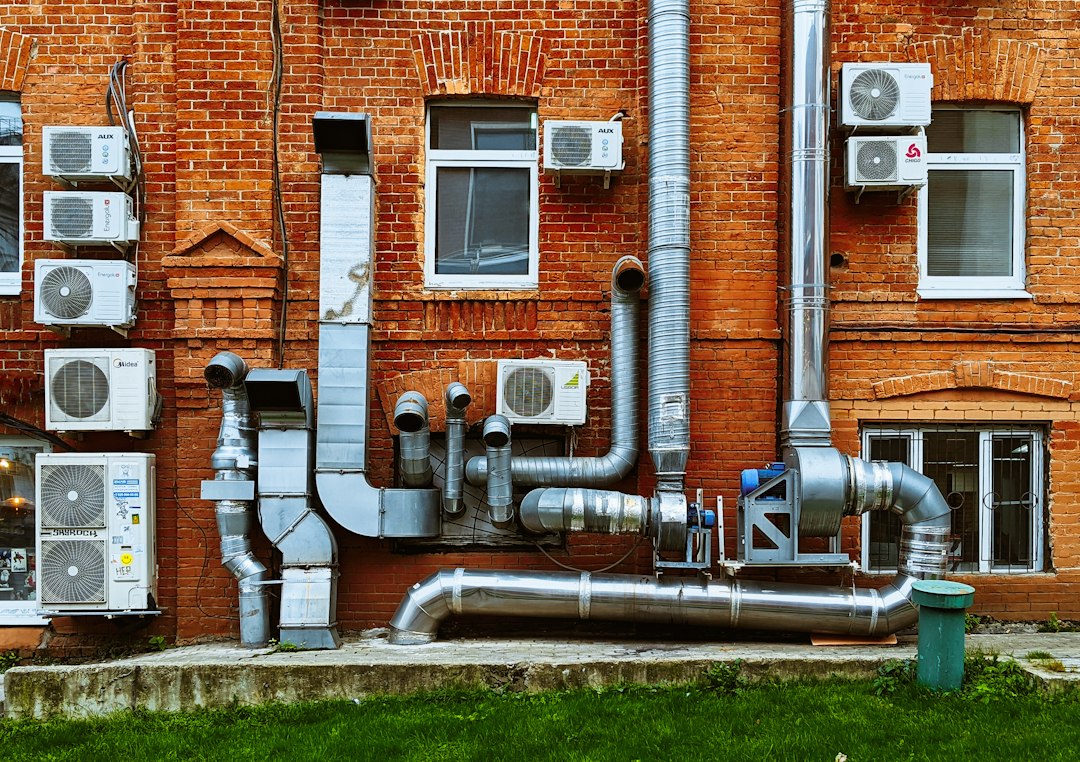
Photo by Vadim Babenko on Unsplash
What Staging Means in a Split System
A split system has two main parts. The outdoor unit is either an air conditioner condenser or a heat pump. The indoor unit is a furnace or air handler that holds the evaporator coil and blower. Refrigerant lines and your ductwork connect the two halves. That two-part layout is what “split” refers to, as opposed to a packaged unit that keeps everything in one cabinet.
Staging describes how many output levels the equipment can run at. Think of it as the difference between a light switch, a three-way switch, and a dimmer. Each part of the system can be staged on its own. A gas furnace can have a one or two stage burner or a modulating burner. An air conditioner or heat pump can have a single stage compressor, a two stage compressor, or an inverter-driven variable speed compressor. It is common to see a two stage furnace paired with a single stage air conditioner, so read quotes carefully to see exactly which component is being upgraded.
Staging is also separate from the blower motor. A system can have a variable speed blower and still have a single stage compressor. Contractors sometimes blur this, so ask for the compressor type and the furnace burner type on the quote.
None of this matters if the system is the wrong size. Staging softens the penalty of modest oversizing but does not erase it. Before you compare equipment, insist on a proper room-by-room load calculation. The industry method is ACCA’s Manual J, and a contractor who sizes by square footage or by copying the old unit is skipping the step that determines whether any of this pays off.
How Single Stage vs Two Stage vs Variable Capacity Systems Actually Work
Single stage
A single stage system is either off or at full output. The thermostat calls, the compressor and burner run at 100 percent, and the system shuts off when the setpoint is reached. Because it is sized for the hottest or coldest design day, it is oversized for most of the year. The result is shorter cycles, bigger temperature swings between cycles, and less time pulling moisture out of the air in summer. Single stage equipment is simple, widely serviced, and the cheapest to buy and repair.
Two stage
A two stage system adds a low setting, typically somewhere around 60 to 70 percent of full output, though the exact figure varies by manufacturer. On most days the system runs on low for long cycles and only steps up to high on extreme days or when the house falls well behind the setpoint. Longer low-stage runtime means steadier temperatures, better filtration because air moves more often, and improved dehumidification. Two stage gear also tends to be quieter on the low setting. The control logic is still straightforward, and most two stage equipment works with a conventional two-stage thermostat.
Variable capacity
Variable capacity systems, often called inverter or modulating systems, adjust output across a wide range instead of two fixed points. Many models can run as low as roughly 25 to 40 percent of full output, depending on the product line. The system sets the compressor speed, and often the blower speed, to match the load almost continuously. Instead of cycling, it settles into long, quiet runs at whatever output holds the house steady. In heating, inverter heat pumps designed for cold climates can also hold more capacity at low outdoor temperatures than conventional single stage heat pumps.
The tradeoff is complexity. These systems rely on control boards, communication between indoor and outdoor units, and electronics that cost more to diagnose and replace. For a deeper look at the blower side of the equation, the earlier guide on variable speed vs single stage HVAC covers what to know before buying.
Comfort, Humidity, and Noise: Where Staging Pays Off
The biggest practical gain from staging is not efficiency. It is how the house feels.
Temperature swings. A single stage system overshoots and undershoots because it delivers full output in bursts. Two stage and variable systems run longer at lower output, so room temperatures stay closer to the setpoint and rooms far from the equipment get more consistent airflow. If you currently have a hot upstairs and a cold basement, longer low-speed runtime often helps, though it will not fix a duct design problem.
Humidity. Air conditioners remove moisture only while the coil is cold and air is moving across it. Short cycles cool the air quickly but shut off before much water drains from the coil, leaving a clammy feel at a comfortable-looking temperature. Longer runtimes remove more moisture. This is the strongest argument for staged equipment in humid regions. EPA guidance recommends keeping indoor relative humidity roughly between 30 and 50 percent, and staged systems make that range easier to hold without a separate dehumidifier. In very humid climates, a variable capacity system paired with proper airflow settings usually outperforms two stage, though a whole-home dehumidifier may still be warranted.
Noise. Low-speed operation is quieter, both at the outdoor unit and at the registers. Many people notice the absence of the sudden full-power startup more than any decibel number.
Equipment wear. Fewer hard starts and fewer on-off cycles are generally considered easier on components. That is a reasonable engineering expectation, not a guarantee of a longer lifespan, so do not let a salesperson price it in as a certainty.
One honest limit: if your house is small, tightly sealed, and mild-climate, you may not feel much difference between single stage and two stage. The gains grow with climate extremes, house size, and how uneven your rooms are.
Single Stage vs Two Stage vs Variable Capacity: Cost, Payback, and a Decision Path
Prices vary by region, brand, and installer, so use this table for relative comparison rather than exact quotes.
| Feature | Single stage | Two stage | Variable capacity |
|---|---|---|---|
| Output levels | One (100%) | Two (about 60-70% and 100%) | Many (often about 25-100%) |
| Upfront cost | Lowest | Moderate premium | Highest |
| Temperature consistency | Fair | Good | Best |
| Humidity removal | Weakest | Better | Strongest |
| Noise on typical days | Loudest starts | Quieter on low | Quietest |
| Repair complexity | Simplest | Moderate | Highest |
| Thermostat needs | Basic | Often two-stage capable | Often manufacturer-specific |
| Best fit | Small homes, tight budgets, rentals | Most average homes | Hot-humid climates, comfort problems, long-term homes |
Quotes commonly show two stage adding a modest premium over single stage, with variable capacity adding a larger one. Get at least three itemized quotes so you can see what each upgrade costs individually. Higher SEER2 ratings on staged equipment look attractive, but a rating is a lab number. Your actual savings depend on your climate, runtime hours, duct losses, and electricity rates. The SEER ratings guide shows how to translate a rating into dollars. Also check the U.S. Department of Energy’s central air conditioning guidance for sizing and efficiency basics, and look at current rebates, since incentives sometimes favor higher-efficiency staged equipment.
A Five-Step Decision Path
- Get a real load calculation. Ask for a Manual J result, not a rule of thumb. If the calculated load is far below the old unit’s size, you were likely oversized before, which makes staging more valuable.
- Rank your pain points. Hot rooms, humidity, noise, and bills are different problems. Humidity and temperature swings favor variable capacity. Bills alone usually favor two stage as the value pick.
- Inspect your ducts. Leaky, undersized, or restrictive ducts waste the benefit of any equipment. Fix or budget for duct work before paying for premium staging.
- Check your climate and runtime. More cooling or heating hours per year means a faster payback. If you run the system only a few weeks a year, buy single stage or two stage.
- Compare total ownership cost. Add upfront price, estimated energy savings, warranty terms, and the likely cost of repairs on control boards and inverter drives. Choose the option you would still be happy with in year ten.
Ductwork, Thermostats, and Tools That Matter
Ducts and airflow
Variable capacity systems move less air at low output, and low airflow exposes duct problems. Leaks, closed or blocked returns, and undersized runs show up as hot spots or noisy registers. Before you upgrade, test your airflow and seal leaks. The guides on checking airflow to every room and sealing duct leaks with mastic are good starting points.
Thermostats
Two stage equipment generally needs a thermostat with a second-stage output. Fully communicating variable capacity systems usually require the manufacturer’s own control, which limits third-party options. If your equipment uses conventional low-voltage wiring, a smart model such as the ecobee Smart Thermostat Premium may be an option, but confirm compatibility with your exact furnace, air conditioner, or heat pump using the manufacturer’s compatibility checker before you buy. Do not assume any thermostat will stage a communicating system.
Monitoring humidity
If humidity control is your reason for upgrading, measure it before and after. A Bluetooth sensor like the Govee Indoor Hygrometer Thermometer H5075 logs temperature and humidity over time, which lets you compare a muggy week on your old system to a similar week on the new one. Place it on an interior wall away from vents, windows, and kitchens. Treat it as a trend tool rather than a laboratory instrument.
Gauge sets
A manifold set such as the Mastercool Auto Manf Gauge Set w/Coupler & Conv Kit reads refrigerant-side pressures. It is a technician’s diagnostic tool, and it is not a good fit for most homeowners. Check the listing for compatible refrigerants and pressure ratings before considering one. On two stage and variable capacity systems, pressures change with compressor speed, so a single reading can mislead you into thinking a healthy system is low on charge.
Safety warning: Gas furnaces, line-voltage wiring, and refrigerant circuits are not casual DIY territory. Test your carbon monoxide detectors before heating season and replace batteries as needed. Turn off power at the breaker and at the outdoor disconnect before opening any panel, and remember that capacitors can hold a charge. In the United States, EPA Section 608 certification is required to purchase and handle most refrigerants, and venting them is illegal. Call a licensed professional for burner problems, gas smells, refrigerant work, or any control board fault.
Common Mistakes and Problems to Avoid
Buying staging to fix an oversizing problem. A two stage unit that is still twice the size you need will still short cycle on its low stage. Size correctly first. If your current system already cycles constantly, read about HVAC short cycling before spending money.
Ignoring the ductwork. The most common reason new premium equipment disappoints is old ducts. Static pressure that is too high chokes the blower, drives up noise, and wastes the efficiency gains.
Mixing incompatible components. Pairing a variable capacity outdoor unit with the wrong indoor coil or furnace can cause poor performance or void warranties. Ask for AHRI-matched combinations in writing.
Assuming any thermostat works. Wiring a generic thermostat to a communicating system can leave features disabled or the system unable to run correctly. Verify first.
Chasing the highest efficiency number. A top-tier variable system in a drafty, poorly insulated house will not outperform a good two stage system in a well-sealed one. Air sealing and insulation often return more per dollar.
Skipping maintenance. Staged systems still need clean filters, a clean condenser coil, and a clear condensate drain. Dirty coils and clogged filters hurt low-speed operation as much as they hurt single stage units.
Misreading humidity. If your house feels clammy, check the thermostat fan setting, since running the fan continuously can re-evaporate moisture from the coil, and confirm the system is not oversized before blaming the equipment type.
Frequently Asked Questions
Is a two stage system worth it over single stage?
For most homes, yes. Two stage equipment usually costs a moderate premium and delivers steadier temperatures, quieter operation on most days, and better humidity removal because it runs longer cycles on low. The payback is strongest in climates with long cooling or heating seasons and in houses that are larger or have uneven rooms. If your home is small, your climate is mild, or you plan to move within a few years, single stage may be the smarter spend. Ask installers to quote both so you can see the exact price gap before deciding.
Does variable capacity always save money on energy bills?
Not always. Variable capacity systems often carry higher SEER2 ratings and run efficiently at low output, but your actual savings depend on your climate, runtime, duct leakage, and electricity prices. In a mild climate with modest usage, the premium may take many years to recover, if it ever does. The comfort and humidity benefits are more reliable than the savings. Treat bill reductions as a possible bonus, and compare quotes using realistic usage estimates rather than the best-case numbers on a brochure.
Can I use a smart thermostat with a two stage or variable capacity system?
Often with two stage systems and rarely with fully communicating variable capacity systems. Many smart thermostats support two-stage heating and cooling on conventional wiring, but you must confirm compatibility with your exact equipment. Communicating systems typically need the manufacturer’s proprietary control to access all speeds and diagnostics. Using a third-party thermostat can disable features or prevent operation. Check the thermostat maker’s compatibility tool and your equipment’s installation manual, and ask your installer which controls are approved before you buy.
Will a staged system fix a humid house?
It will help, but it may not solve everything. Longer runtimes let the coil remove more moisture, and variable capacity systems with humidity-focused fan settings do this best. However, humidity can also come from air leaks, bathrooms and kitchens without proper exhaust, damp crawl spaces, or an oversized unit. Measure indoor humidity with a hygrometer for a few weeks, aiming for roughly 30 to 50 percent, and address moisture sources. If the numbers stay high in very humid weather, add a dedicated whole-home dehumidifier.
Conclusion
Single stage is the budget pick, two stage is the value pick for most homes, and variable capacity is the comfort pick for hot-humid climates and demanding households. Whichever you choose, the load calculation, duct condition, and matched components determine whether you actually feel the difference. Your next step is to request itemized quotes for at least two staging levels, ask each contractor for their Manual J results, and compare them side by side. If you already own a system, start by logging your home’s humidity for a couple of weeks so you know what you are trying to improve.
Bookmark this guide so you can compare it against your quotes, and leave a comment with your climate and system type if you want a second opinion.
Related Reading